How to Choose a Sunlight Readable Outdoor Digital Signage Display for Extreme Heat
Outdoor digital signage displays are an invaluable tool for businesses, municipalities, and organizations seeking to engage audiences in high-traffic, outdoor environments. Whether for advertising, wayfinding, public announcements, or interactive kiosks, these displays offer a dynamic and interactive platform for communication. However, when placed in direct sunlight, especially in regions that experience extreme heat, the performance of these displays can be severely impacted.
For outdoor environments where high visibility and reliable performance are critical, it’s essential to select a sunlight-readable outdoor digital signage display that is specifically designed to perform well in extreme heat. In this article, we will explore the key factors to consider when choosing a display that can withstand sunlight exposure, high temperatures, and harsh weather conditions.
Why Sunlight Readability and Heat Resistance Matter
Traditional digital signage displays may work well indoors or in shaded areas, but when exposed to direct sunlight, they often suffer from glare, poor contrast, and unreadability. In extreme heat, displays can also experience overheating, resulting in system failure, reduced lifespan, or malfunctioning. To ensure uninterrupted service and clear visibility, an outdoor display must be engineered to handle both the brightness of the sun and the heat of the environment.

Digital Signage Kiosk Floor Standing Outdoor Poster Advertising Display-1
Key Factors to Consider When Choosing a Sunlight Readable Outdoor Digital Signage Display
1. High Brightness (2000-4000 nits)
One of the most important features to look for in a sunlight-readable outdoor digital signage display is high brightness. Brightness is measured in nits, and for outdoor use, a screen needs a brightness level of at least 2000 nits to be visible in direct sunlight.
- 2000 to 3000 nits: Standard for most outdoor displays, offering clear visibility in most sunlit conditions.
- 3000 to 4000 nits: Best suited for environments with intense sunlight or regions with extremely bright conditions.
Why It Matters:
- Higher brightness ensures that the display content is visible even in direct sunlight, preventing the screen from becoming washed out or difficult to read.
- Higher brightness levels also improve contrast and clarity, making text and images more vibrant and sharp, even in the harshest conditions.
2. Anti-Glare and High Contrast Technology
In addition to high brightness, anti-glare and high contrast technology are crucial for maintaining visibility in sunlight. Anti-glare coatings reduce the reflections caused by sunlight, while high contrast technology helps improve the legibility of text and images.
- Anti-Glare Coatings: These reduce the amount of sunlight that bounces off the display, ensuring that the content remains visible.
- High Contrast: High contrast ratios help improve the distinction between light and dark areas of the display, making it easier for viewers to read or interact with the screen.
Why It Matters:
-
Prevents content from being overpowered by sunlight, ensuring consistent readability even in extremely bright conditions.
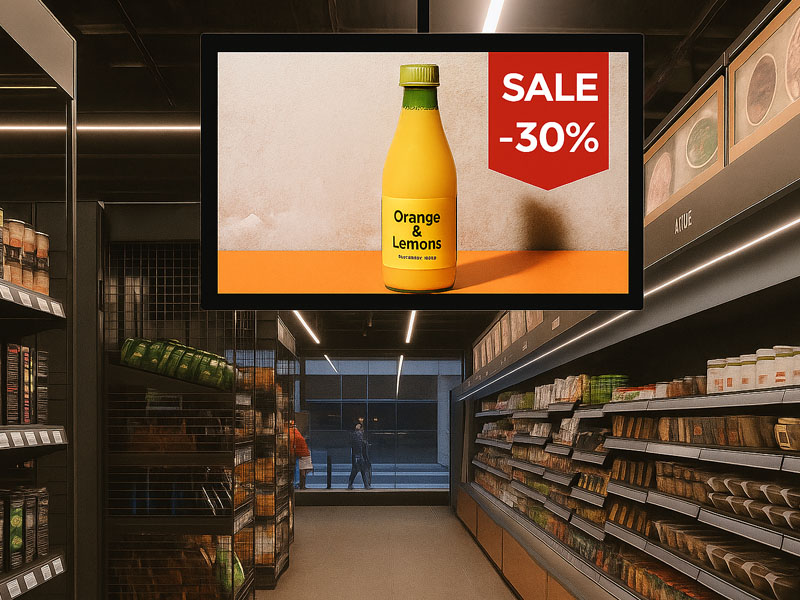
digital signage display solutions
3. Thermal Management and Heat Resistance
In extreme heat, the display’s internal components (such as the screen, processor, and electronics) can overheat, leading to malfunction or failure. Thermal management is essential for keeping the display cool and ensuring reliable performance in hot environments.
Key Features:
- Fanless Cooling Systems: Many high-quality outdoor displays come equipped with fanless cooling systems that reduce heat buildup while maintaining a low risk of dust or moisture entering the system.
- IP65 or Higher Rating: Ensures the display is sealed from dust, water, and moisture, which could damage the components due to high temperatures and humidity.
- Temperature Range: The display should be able to operate within a temperature range of -20°C to 50°C (-4°F to 122°F) for most environments.
Why It Matters:
- A high-quality thermal management system ensures that the display runs smoothly without overheating, even under intense direct sunlight or extreme temperatures.
- Proper heat resistance also extends the lifespan of the display and minimizes the need for frequent maintenance.
4. Weatherproof and Durable Enclosure (IP65/IP66 Rating)
To withstand the physical demands of outdoor environments, especially in extreme heat, a weatherproof enclosure is essential. The enclosure should have an IP65 or IP66 rating, ensuring that the display is both dustproof and waterproof.
- IP65: Dust-tight and protected against low-pressure water jets from all directions.
- IP66: Dust-tight and protected against powerful water jets and heavy rainfall.
Why It Matters:
- Ensures that the display can survive exposure to dust, rain, snow, or intense sunlight without malfunctioning.
- Guarantees reliability and durability, reducing the risk of failure or breakdown in outdoor environments.
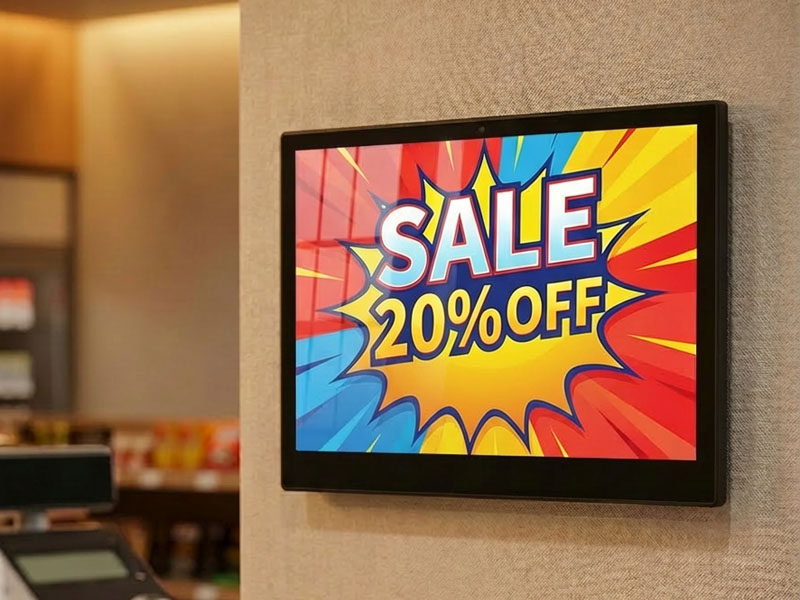
Wall-Mounted Touch Screen-1
5. Sunlight Readable LCD vs. OLED Displays
For outdoor digital signage displays, LCD is generally the preferred technology over OLED due to its superior brightness, longer lifespan, and better performance in extreme weather conditions. While OLED displays offer vibrant colors and deep contrast, they are less suited for high-brightness outdoor applications and can suffer from burn-in over time.
Why It Matters:
- LCD Displays: Better suited for long-term outdoor use, providing more consistent brightness and durability compared to OLEDs.
- OLED Displays: Better for controlled indoor environments or situations where high contrast and rich colors are the priority.
6. Energy Efficiency and Cost
While high-brightness and durability are important, energy efficiency should also be considered, especially for displays that will be running 24/7. Some advanced displays feature LED-backlit technology for increased energy efficiency without sacrificing brightness.
Why It Matters:
-
Energy-efficient displays reduce operational costs, which can be a major consideration for outdoor digital signage that operates continuously, particularly in sunny, hot climates.
Recommended Products for Sunlight Readable Outdoor Digital Signage Displays
When selecting a sunlight-readable outdoor digital signage display, it’s important to choose a model that incorporates all the features mentioned above. Here are some examples of Portworld products that excel in extreme heat and sunlight readability:

Touch Screen Digital Signage Display-1
YC-5520FL 55″ Floor Standing Digital Signage
- Brightness: 3500 nits
- Thermal Management: Fanless cooling system
- IP Rating: IP65 (dustproof and waterproof)
- Touch Functionality: Optional interactive touchscreen
- Perfect for: Retail environments, public squares, airports
YC-4920FL 49″ Outdoor Kiosk Digital Signage Display
- Brightness: 3000 nits
- Enclosure: IP66 rated for maximum durability
- Features: Anti-glare screen with high contrast
- Ideal Use: Information kiosks, wayfinding stations, outdoor advertising
YC-215OB 21.5″ LCD Advertising Digital Signage
- Brightness: 2500 nits
- Screen Type: Anti-glare, high contrast LCD
- Temperature Range: Operates in extreme heat and cold
- Great for: Smaller outdoor spaces like bus stops or retail windows
YC-32OB 32″ Optical Bonding Touch Screen Android Tablet
- Brightness: 2800 nits
- Enclosure: IP65 rated with excellent heat resistance
- Advanced Features: Interactive touchscreen for customer engagement
- Perfect for: Outdoor digital directories, retail spaces
Choosing the right sunlight-readable outdoor digital signage display for extreme heat is essential to ensure that your content remains visible and your system stays operational, regardless of the weather. By focusing on key features like high brightness, anti-glare technology, thermal management, and weatherproof enclosures, businesses can make an informed decision that delivers reliable performance in even the harshest outdoor environments.