Hospital Ward Smart Control Panel with Android Tablet Functionality
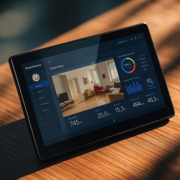
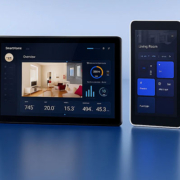
As the healthcare sector continues to embrace the digital transformation, hospital wards are increasingly adopting smart control panels to streamline operations, improve patient care, and enhance the overall hospital experience. The Hospital Ward Smart Control Panel with Android tablet functionality offers a versatile and comprehensive solution to these challenges, providing real-time control over various hospital systems and offering seamless integration with existing infrastructure.
In this article, we’ll explore the benefits, features, and applications of a Hospital Ward Smart Control Panel equipped with Android tablet functionality, and how it is revolutionizing the way hospitals operate.
Key Features of the Hospital Ward Smart Control Panel with Android Tablet Functionality
1. Android-Based Interface for Easy Operation
The Android-based system is at the heart of the Hospital Ward Smart Control Panel, offering a user-friendly interface that is intuitive and familiar to healthcare staff. This makes it easy to interact with various hospital management systems, monitor patient conditions, and control devices across the ward, all from a single panel.
- Familiar Interface: Android’s familiarity to many healthcare professionals reduces the learning curve and enhances adoption.
- App Compatibility: The Android OS allows for easy integration with custom apps that healthcare providers may already be using, offering a flexible platform for hospital-specific needs.
- Customizable UI: The interface can be fully customized, allowing hospitals to design and implement a unique, tailored user experience that suits their specific requirements.
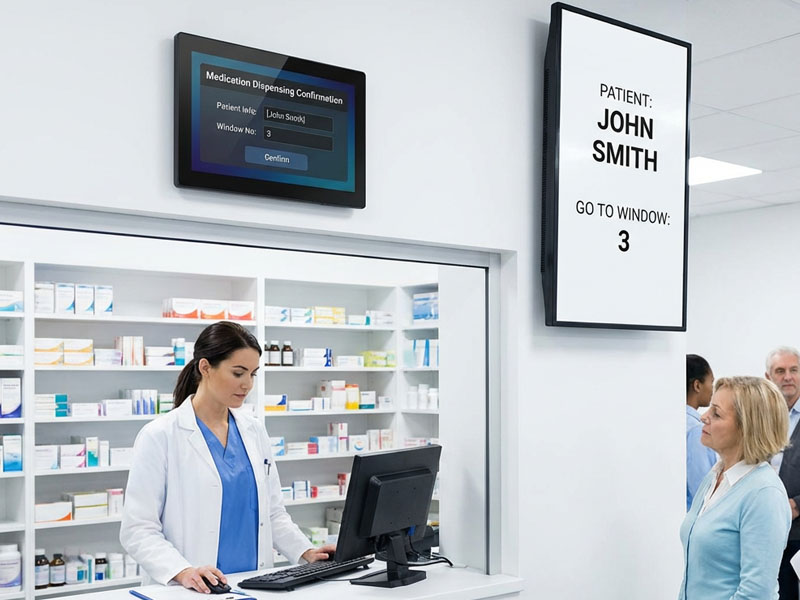
POS Android Advertising Display
2. PoE (Power over Ethernet) for Simplified Installation
A standout feature of the hospital ward smart control panel is its PoE capability. Power over Ethernet simplifies installation by delivering both data and power through a single cable. This feature reduces the complexity of installation and maintenance and helps avoid the need for additional electrical outlets.
- Seamless Setup: With PoE, the control panel can be easily connected to the hospital’s existing network without requiring additional electrical work.
- Cost-Effective: By reducing the need for extra power cables and outlets, PoE helps lower installation costs.
- Safety and Reliability: PoE technology is a safer and more reliable solution for powering devices in medical environments where electrical safety is a top priority.
3. Touchscreen Control for Easy Interaction
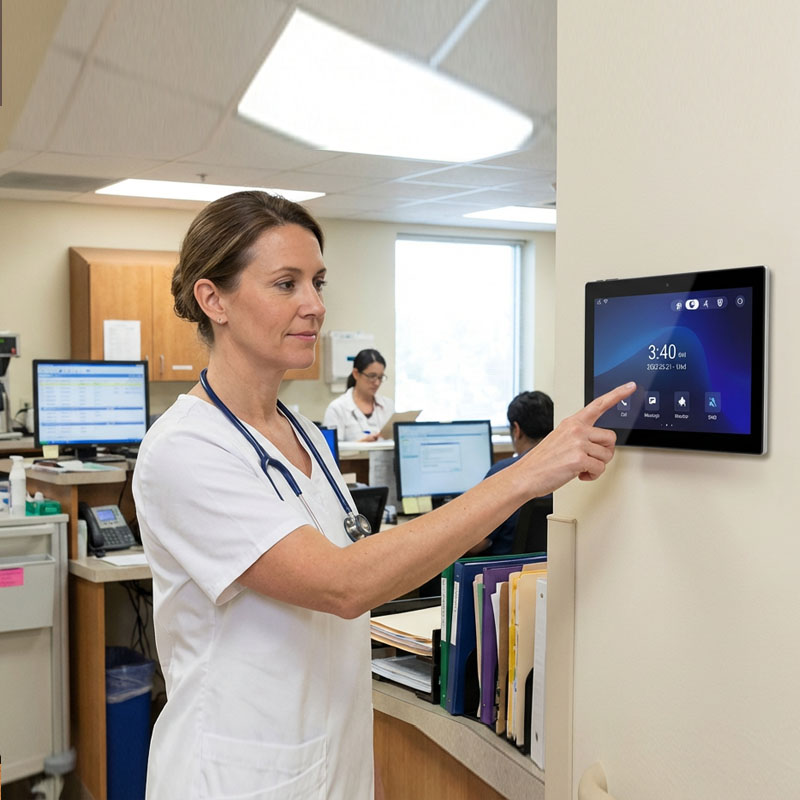
The hospital ward control panel comes with a high-quality capacitive touchscreen, providing a responsive and easy-to-use interface for hospital staff. The multi-touch functionality allows for smooth navigation and seamless control of various systems, such as:
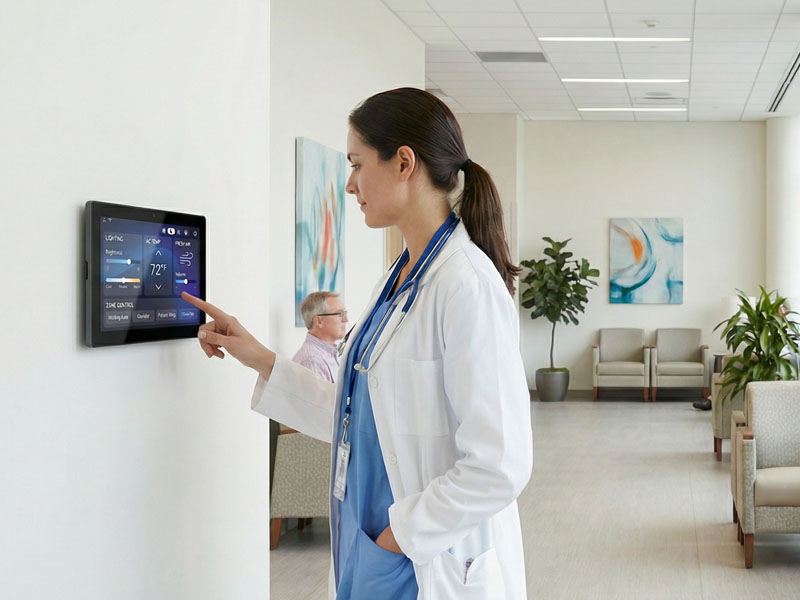
- Lighting and HVAC Systems: Adjust room temperature and lighting with a simple tap, creating a more comfortable environment for patients and staff.
- Patient Monitoring Systems: Quickly access and manage data from patient monitoring equipment to track vital signs and other important metrics.
- Nurse Call Systems: Integrate with the nurse call system for immediate response to patient needs, improving response time and care quality.
YC-SM10P Smart Home Wall Mount POE Tablet-3
4. Comprehensive Hospital System Integration
The Hospital Ward Smart Control Panel offers seamless integration with various hospital management systems to provide comprehensive control and monitoring. These systems include patient management, environmental controls, and even smart medical equipment integration.
- Centralized Control: The control panel can manage different devices from a single interface, including lights, curtains, and doors, as well as medical equipment like infusion pumps, ventilators, and ECG monitors.
- Real-Time Data Access: Healthcare professionals can access real-time data such as patient records, vital signs, and test results, ensuring better decision-making and more efficient care.
- Automated Alerts: The system can trigger alerts for critical conditions or abnormal readings, enhancing safety and enabling quick responses from medical staff.
5. Communication and Collaboration Tools
Communication is essential in hospital settings, and the Android-based smart control panel enhances collaboration among healthcare staff.
- VoIP Integration: The panel can integrate with hospital communication systems, allowing for voice and video calls directly from the panel.
- Messaging and Notifications: Staff can send messages, receive notifications, and even view updates on patient statuses, streamlining communication in the hospital ward.
- Video Conferencing: The Android functionality allows video conferencing features, useful for telemedicine consultations or team meetings.
custom smart control panel
6. Security and Data Protection
In a healthcare setting, data security is paramount. The Hospital Ward Smart Control Panel integrates advanced security features to protect sensitive patient information and ensure compliance with HIPAA and other privacy regulations.
- Secure Access Control: The control panel allows for user-specific access to various features, ensuring that only authorized personnel can view or modify sensitive data.
- Encryption: Data is encrypted during transmission to prevent unauthorized access and ensure the integrity and confidentiality of patient information.
- Audit Logs: The system can track and log all interactions, providing a detailed record of access and modifications for auditing purposes.
Applications of the Hospital Ward Smart Control Panel
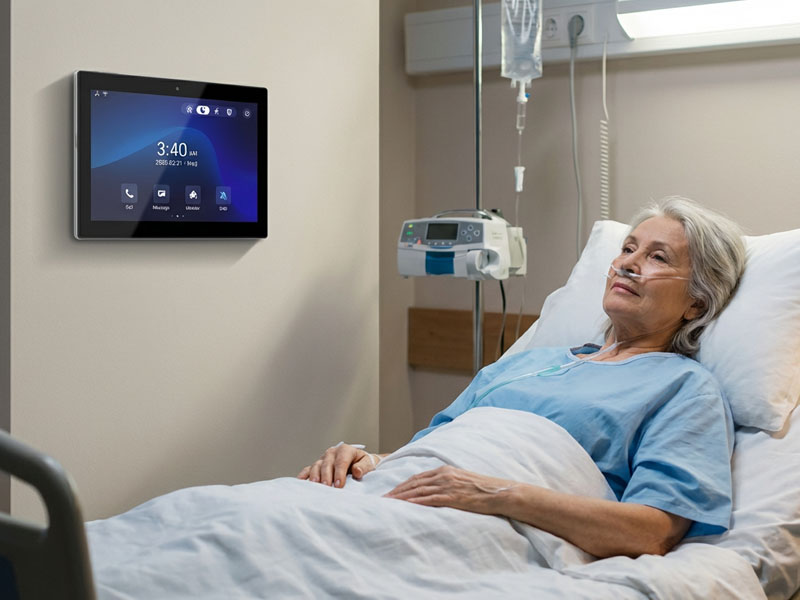
- Patient Room Management
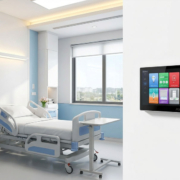
- The smart control panel allows healthcare staff to easily manage and monitor patient rooms. This includes controlling lighting, temperature, and curtains, providing patients with a more comfortable environment. Additionally, the control panel can be used to manage the nurse call system, enabling patients to quickly request assistance when needed.
- Nurse Stations and Staff Coordination
- At the nurse station, the smart control panel can serve as a central hub for coordinating care across multiple patients. It allows nurses to access patient data, track medication schedules, and receive real-time alerts for critical updates.
- Medical Equipment Control
- The smart control panel can also integrate with smart medical equipment to offer remote management. This enables staff to control and monitor equipment like infusion pumps, oxygen systems, and patient beds directly from the panel, ensuring the efficient functioning of all devices.
- Hospital Facility Automation
- Beyond the patient room, the smart control panel can be used for facility-wide automation. This includes controlling HVAC systems, managing lighting in common areas, and regulating security systems like access control for restricted areas.
poe smart home control panel
How Portworld Enhances the Hospital Control Panel Experience
Portworld provides customizable smart home control panels powered by the Rockchip RK3566 or RK3568 processors, which are ideal for use in hospital wards. These panels are highly flexible and can be tailored to meet the specific needs of hospital environments.
- Customization Services: Portworld offers OEM/ODM services, allowing hospitals to customize their control panels with specific firmware, logo branding, and UI design.
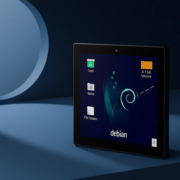
- Multi-OS Compatibility: The control panels support multiple operating systems, including Android, Linux (Ubuntu/Debian), and Windows, making them adaptable to the unique requirements of each hospital.
- PoE Support: The integration of PoE simplifies installation and reduces the need for additional wiring, making it ideal for hospitals with limited space or complex electrical systems.
The Hospital Ward Smart Control Panel with Android tablet functionality is transforming healthcare automation by providing an intuitive, centralized solution for managing patient care, hospital systems, and communication. With features like seamless integration, real-time data access, and secure communication, these control panels are enhancing the operational efficiency of healthcare providers while improving patient comfort and safety.