Smart Control Panel for HVAC and Lighting Control
Intelligent Control Solutions for Contemporary Buildings
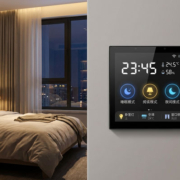
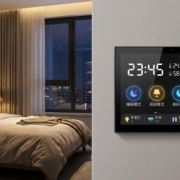
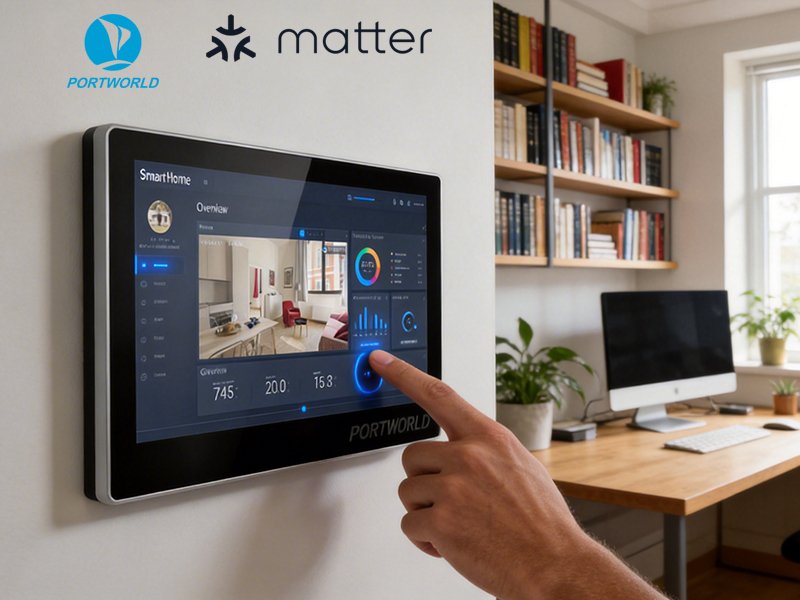
As smart buildings and IoT automation continue to expand, conventional switches and independent thermostats are being supplanted by integrated control solutions. A smart control panel for HVAC and lighting management offers a centralized touchscreen interface, enabling users to oversee indoor environments with greater efficiency.
By merging lighting management, climate control, and IoT connectivity, smart control panels enhance comfort, energy efficiency, and the performance of building automation in smart homes, hotels, offices, and commercial facilities.
What Functions Can a Smart Control Panel Manage?
A smart control panel serves as the primary interface between users and the interconnected building systems.
It is capable of managing:
- Smart lighting systems
- Air conditioning
- Heating systems
- Ventilation equipment
- Motorized curtains
- Temperature sensors
- Energy monitoring devices
- Building automation systems
Users can modify settings directly from a wall-mounted touchscreen, eliminating the need for multiple switches or separate controllers.
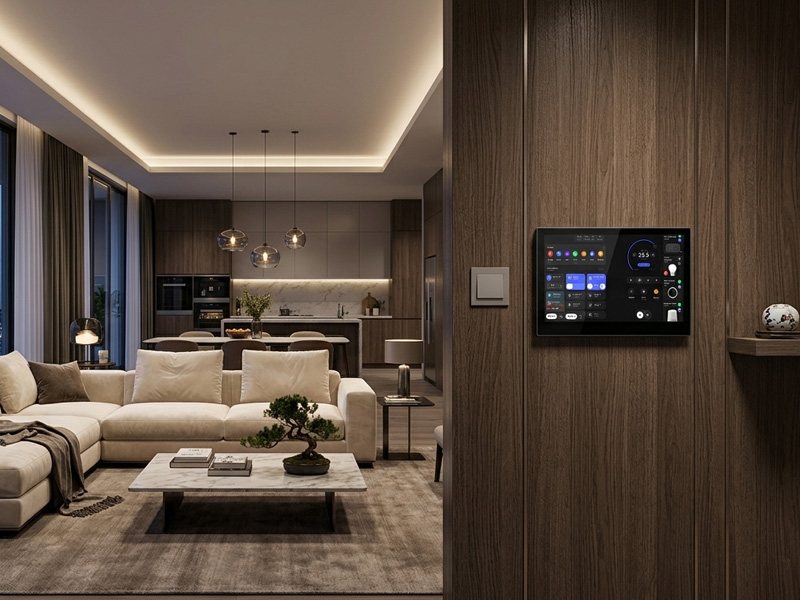
smart home control panel-1
Smart Lighting Control via Touch Panels
Lighting control is among the most prevalent features of smart control panels.
Users have the ability to:
- Turn lights on/off
- Adjust brightness
- Change lighting scenes
- Schedule automatic lighting
- Control multiple rooms
Example Lighting Scenes:
Meeting Mode
- Activate presentation lighting
- Modify brightness levels
- Establish a conducive working environment
Relax Mode
- Lower light intensity
- Adjust the color temperature
- Foster a soothing atmosphere
Energy Saving Mode
- Switch off lights that are not in use
- Minimize unnecessary energy consumption
Smart lighting management enhances both convenience and energy efficiency.
HVAC Control with Smart Touch Panels
A smart control panel can seamlessly integrate with HVAC systems to facilitate centralized climate regulation.
Users have the ability to manage:
- Temperature settings
- Cooling and heating options
- Fan speed
- Airflow
- Ventilation systems
In commercial buildings, intelligent HVAC control can collaborate with sensors to automatically modify the environment based on:
- Room occupancy
- Scheduled times
- Temperature conditions
For instance, an office meeting room can automatically adjust the air conditioning when a meeting commences and switch to energy-saving mode when the room is unoccupied.
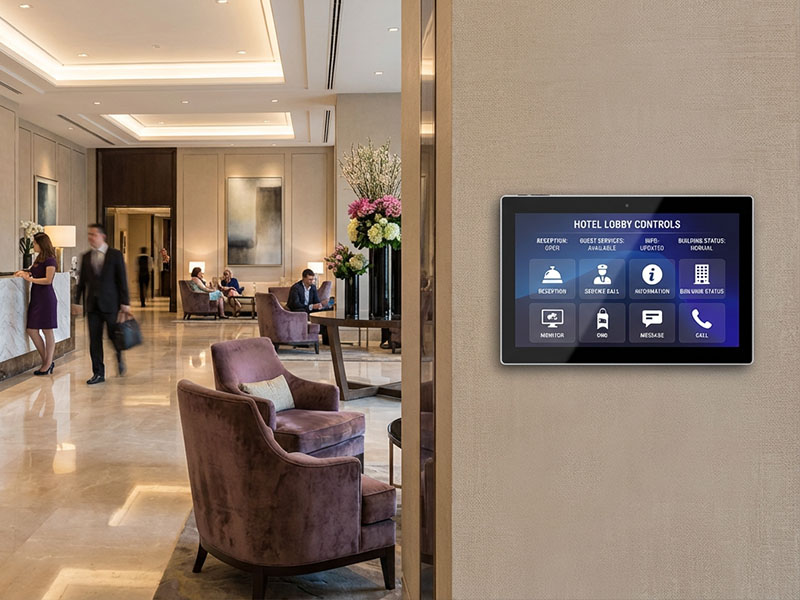
YC-SM10P
10.1 inch Smart Home Control Panel
How Smart Panels Integrate with HVAC and Lighting Systems
Professional smart control panels facilitate various communication methods.
RS485 / Modbus
Typically utilized for:
- HVAC controllers
- Lighting controllers
- Building automation systems
- Energy meters
RS485 ensures reliable communication for both commercial and industrial applications.
Ethernet and PoE
PoE smart control panels are well-suited for contemporary buildings.
Advantages include:
- Single cable for both power and network
- Reliable communication
- Simplified installation
- Reduced maintenance expenses
WiFi and Bluetooth
Appropriate for:
- Smart home devices
- Wireless sensors
- IoT applications
Zigbee and Other IoT Protocols
Wireless protocols allow for integration with:
- Smart lighting solutions
- Sensors
- Home automation networks
Advantages of Implementing Smart Control Panels for HVAC and Lighting
1. Centralized Management
A single touchscreen interface can substitute for numerous controllers.
Users are able to manage:
- Lighting
- Temperature
- Curtains
- Energy systems
from one central location.
2. Enhanced Energy Efficiency
Smart automation significantly minimizes energy waste through:
- Automatic lighting schedules
- Occupancy-based control
- Intelligent HVAC adjustments
- Energy monitoring
This is particularly beneficial for offices, hotels, and commercial establishments.
3. Superior User Experience
In contrast to conventional switches, touchscreen panels offer:
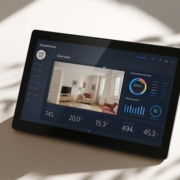
- Visual dashboards
- Real-time status displays
- Custom automation scenes
- Multi-language support
Users can effortlessly comprehend and manage the entire environment.
smart home control panel
4. Versatile Integration
Smart control panels are capable of connecting with pre-existing automation systems, such as:
- KNX systems
- Modbus devices
- Building Management Systems (BMS)
- IoT cloud platforms
- Custom automation software
Applications of Intelligent HVAC and Lighting Control Panels
Smart Homes
Control:
- Living room illumination
- Bedroom climate
- Automated curtains
- Home energy management
Hotels
Offer guests:
- Control over room lighting
- Adjustment of air conditioning
- Curtain automation
- Customized room settings
Offices and Meeting Rooms
Oversee:
- Lighting in conference rooms
- HVAC systems
- Presentation settings
- Energy usage
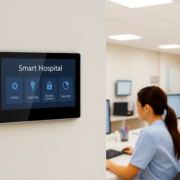
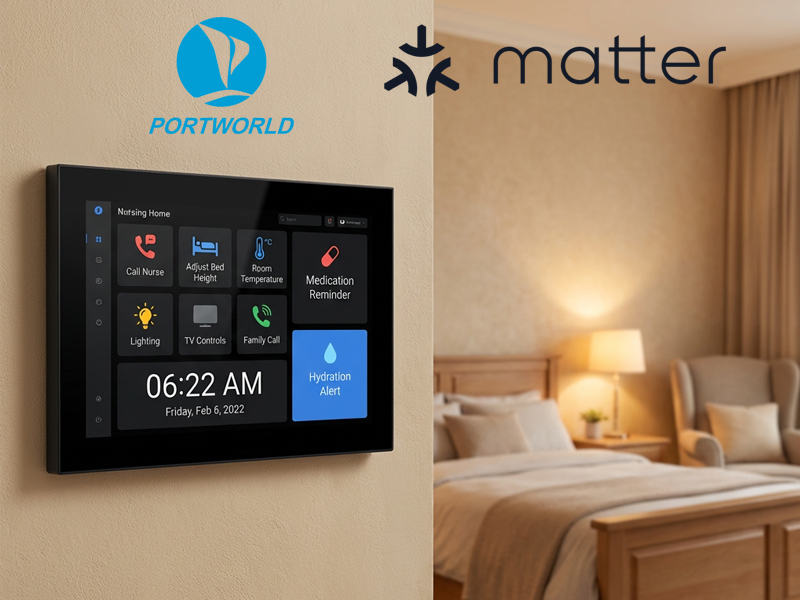
Commercial Buildings
Incorporate:
- Building automation systems
- Facility management solutions
- Energy monitoring systems
- Smart workplace innovations
smart control panel-1
Portworld Smart Control Panel Solutions
Portworld offers intelligent touchscreen control panels tailored for HVAC, lighting, and building automation purposes.
YC-SM41P / YC-SM43P Smart HMI Panels
These compact wall-mounted control solutions include:
- ESP32-S3 platform
- LVGL graphical interface
- RS485 communication
- Ethernet connectivity
- PoE support
They are suitable for smart switches, IoT control, and tailored HMI applications.
YC-SM08P / YC-SM10P Smart Touch Control Panels
These Android-based automation panels feature:
- RK3566 processor
- Android support
- IPS touchscreen
- Ethernet and PoE
- RS485 integration
They are ideal for smart homes, hotels, offices, and automation in meeting rooms.
YC-SM14P Large Smart Control Panel
This panel is designed for sophisticated automation projects and includes:
- RK3568 processor
- Large touchscreen interface
- Android/Linux support
- Multiple communication options
- OEM/ODM customization
A smart control panel for HVAC and lighting management offers an effective means to oversee contemporary indoor environments. By integrating touchscreen functionality, IoT connectivity, and automation intelligence, these panels enhance comfort, lower energy usage, and streamline building management.