What Brightness Is Best for a Digital Signage Display?
When selecting a digital signage display, brightness stands out as a crucial factor influencing visibility, readability, and overall user experience.
A display that performs effectively within a shopping mall may become challenging to view in outdoor settings, whereas an ultra-high brightness screen could be excessive and more costly for indoor use.
The optimal brightness level is primarily determined by the installation location, the ambient lighting conditions, and the nature of the content being showcased.
For businesses embarking on commercial digital signage initiatives, choosing the appropriate brightness can enhance advertising efficiency, lower energy usage, and prolong the lifespan of the product.
- Understanding Digital Signage Brightness (Nits)
- Display brightness is quantified in nits (cd/m²).
A higher nit value indicates that the screen can emit more light, ensuring visibility in brighter surroundings.
Typical brightness ranges for commercial displays are as follows:
- 250–400 nits: Standard indoor applications
- 500–700 nits: Bright indoor environments or areas near windows
- 700–1500 nits: Semi-outdoor and regions with high ambient light
- 1500+ nits: Applications readable in outdoor sunlight
Selecting the appropriate brightness is not merely about opting for the highest figure — it involves aligning the display with the specific installation environment.

Digital Signage display
Recommended Brightness Levels by Application
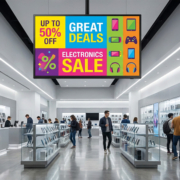
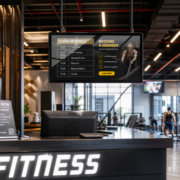
Indoor Digital Signage Displays (250–500 nits)
In most indoor settings, standard brightness levels are typically adequate.
Common locations include:
- Shopping malls
- Retail stores
- Hotels
- Banks
- Offices
- Hospitals
A brightness range of approximately 300–500 nits ensures clear visibility while minimizing power usage.
For instance, Portworld commercial displays, such as wall-mounted advertising players and touchscreen terminals, are generally designed to operate at indoor brightness levels suitable for extended use.
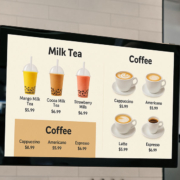
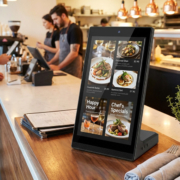
Window-Facing Displays (700–1000 nits)
Displays positioned near glass windows encounter additional challenges, as sunlight can diminish image clarity.
Typical applications include:
- Retail storefront advertising
- Restaurant menu boards
- Shopping center entrances
- Public information displays
Increased brightness is essential for preserving clear images and legible text, even in bright ambient light.
Outdoor Digital Signage Displays (1000–3000+ nits)
Outdoor settings necessitate considerably greater brightness levels.
Examples include:
- Bus stop displays
- Outdoor advertising kiosks
- Transportation information terminals
- Smart city displays
Outdoor digital signage generally requires:
- High brightness LCD panels
- Weatherproofing
- Temperature-resistant construction
- Anti-glare glass
Certain outdoor solutions may also feature automatic brightness adjustment utilizing light sensors to enhance visibility throughout the day.
Factors Influencing Brightness Selection
1. Installation Location
The performance of a display’s brightness can vary based on its location.
For instance:
A 400-nit display:
- Functions effectively in an office lobby
- May face challenges when placed next to a sunny storefront window
A 1500-nit display:
Is suitable for outdoor use
Is excessive for a dim conference room
It is essential to assess the actual environment prior to determining brightness.
2. Viewing Distance
Larger displays that are viewed from a greater distance typically necessitate higher brightness levels.
Examples:
Small meeting room panels: 300 nits may suffice
Large advertising screens in public areas: increased brightness enhances visibility
3. Content Type
Various types of content necessitate distinct brightness performance.
High-contrast advertising videos and vibrant promotions gain advantages from:
- Increased brightness
- Enhanced color reproduction
- Superior contrast ratio
Conversely, text-based information displays may not require as much brightness but must ensure outstanding readability.
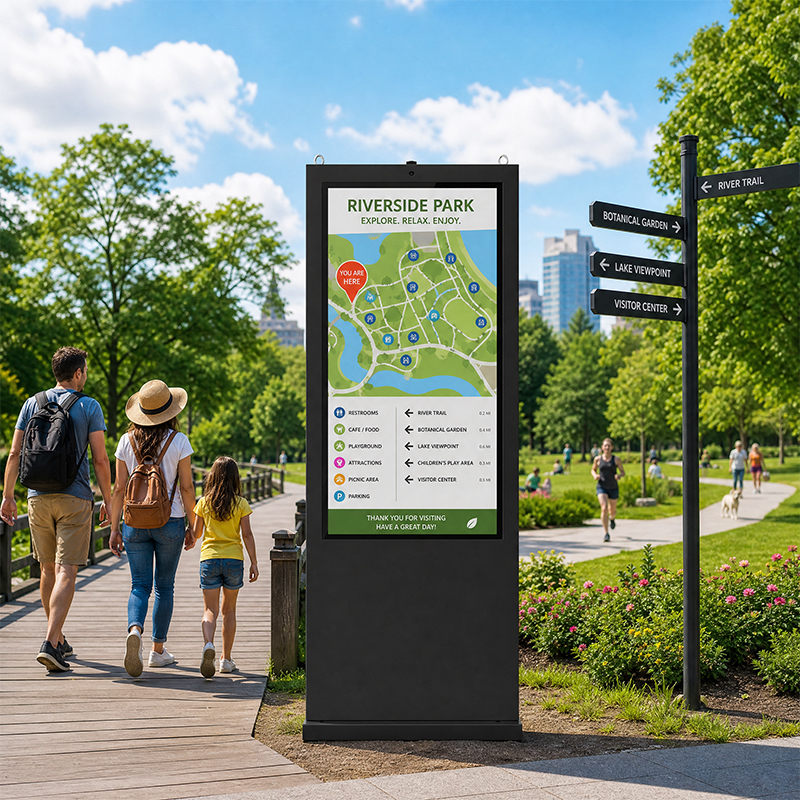
yc-5520 outdoor floor stand digital kiosk
| Feature | Standard Brightness | High Brightness |
|---|---|---|
| Brightness Range | 250–500 nits | 700–3000+ nits |
| Best For | Indoor use | Outdoor/window-facing use |
| Power Consumption | Lower | Higher |
| Cost | Lower | Higher |
| Sunlight Visibility | Limited | Excellent |
Brightness Options in Custom Digital Signage Displays
In the context of OEM/ODM projects, manufacturers have the ability to tailor brightness levels to meet specific application requirements.
The customization options may encompass:
- Standard indoor panels
- High-brightness LCD modules
- Sunlight-readable displays
- Anti-glare glass
- Optical bonding technology
- Automatic brightness adjustment
For instance, Portworld’s touchscreen digital signage solutions offer various brightness configurations, including enhanced brightness options suitable for semi-outdoor and outdoor settings.
Portworld Custom Brightness Digital Signage Solutions
Portworld specializes in providing tailored digital signage displays for a range of commercial environments, which include:
- Retail advertising displays
- Interactive kiosks
- Meeting room booking panels
- Outdoor information displays
- Industrial touchscreen monitors
The customization capabilities feature:
- Selection of display sizes
- Brightness adjustments
- Integration of touchscreen technology
- Customization for Android/Linux systems
- Power over Ethernet (PoE) solutions
- Integration of cameras and NFC/RFID technology
- Design of custom enclosures
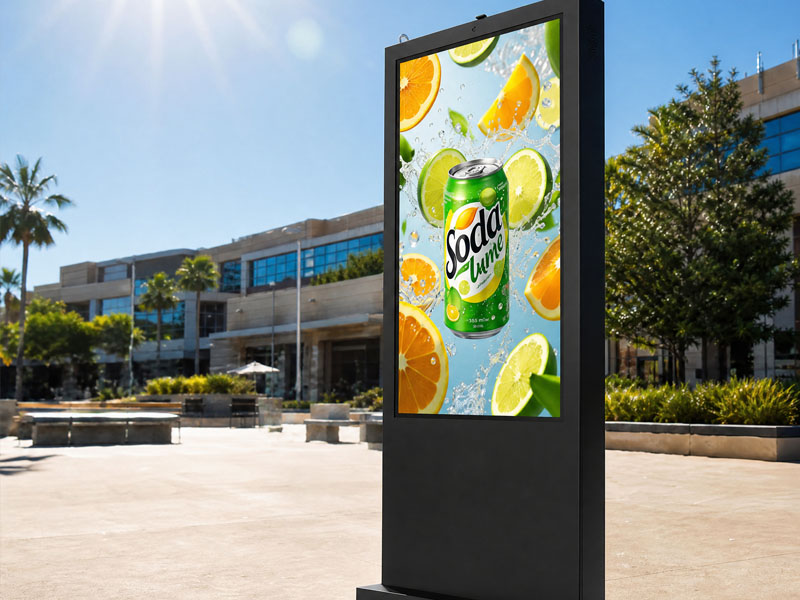
Floor Standing Digital Signage
Whether you require an indoor retail display or a sunlight-readable outdoor kiosk, Portworld is committed to designing a digital signage solution that aligns with your specific application needs.
The optimal brightness level for a digital signage display is contingent upon the installation environment.
For most indoor applications, a brightness range of 300–500 nits is appropriate.
A brightness level of 700–1000 nits is ideal for brightly lit indoor spaces and storefront windows.
For outdoor environments exposed to sunlight, a brightness exceeding 1000 nits is advisable.
Choosing the appropriate brightness enhances visibility, boosts customer engagement, and ensures more dependable long-term performance.