How Long Does It Take to Manufacture Custom Digital Signage Displays?
As businesses increasingly embrace digital signage across sectors such as retail, transportation, hospitality, education, and smart buildings, there is a growing demand for custom digital signage displays rather than standard commercial screens. Customization enables businesses to design displays tailored to specific dimensions, aesthetics, operating systems, mounting configurations, and interactive functionalities.
Nevertheless, a frequently asked question among purchasers is: What is the manufacturing duration for a custom digital signage display?
The response varies based on multiple factors, including the complexity of the product, the extent of hardware customization, testing prerequisites, and the quantity of the order.
Typical Timeline for Custom Digital Signage Manufacturing
In the case of most OEM/ODM digital signage initiatives, the manufacturing timeline generally spans approximately 4 to 12 weeks, starting from the initial design approval to the commencement of mass production.
A standard timeline encompasses:
- Requirement discussion and technical assessment
- Prototype creation
- Sample testing and validation
- Tooling and customization
- Mass production
- Quality control and delivery
Less complex projects may be finalized more swiftly, whereas highly tailored solutions necessitate additional development time.
Stage 1: Requirement Analysis and Project Confirmation
Estimated Duration: 1–2 weeks
The initial phase involves defining the product requirements.
Manufacturers typically require information such as:
- Display size
- Installation method
- Touch screen specifications
- Preferred operating system
- Processor capabilities
- Interface specifications
- Application environment
For instance, a digital signage display for retail may necessitate a slim design and an Android operating system, whereas an industrial digital signage terminal might require IP65 protection, enhanced durability, and support for long-term operation.
Establishing clear specifications during this phase is crucial for minimizing development delays.
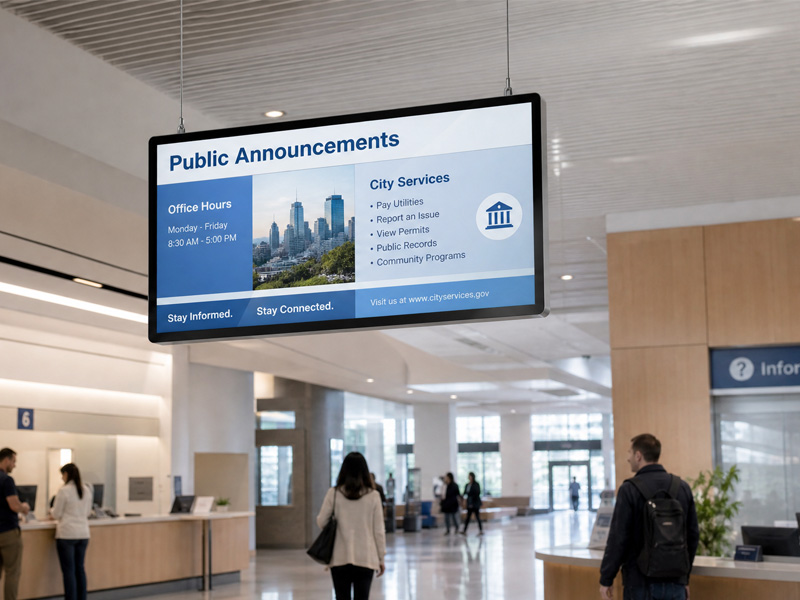
Stretch Bar Monitor
Stage 2: Prototype Development and Engineering Design
Estimated Duration: 2–6 weeks
After confirming the requirements, engineers commence the development of the tailored solution.
This phase may encompass:
- Industrial design
- Mechanical structure design
- PCB and hardware modifications
- Touch panel integration
- Software setup
- Interface personalization
For standard modifications, prototypes can be produced swiftly. However, projects that involve new enclosures, custom motherboards, or specialized functions may necessitate additional engineering time.
Stage 3: Prototype Testing and Customer Approval
Estimated Duration: 1–3 weeks
Prior to initiating mass production, manufacturers typically develop prototypes for evaluation.
Customers may assess the following aspects:
- Display quality
- Touch performance
- System stability
- Network connectivity
- Software compatibility
- Installation method
Testing during this phase is crucial for identifying potential issues before commencing large-scale production.
Stage 4: Mass Production
Estimated Duration: 3–8 weeks
Following the approval of prototypes, the production process commences.
The duration of production is influenced by:
- Order quantity
- Availability of components
- Level of customization
- Assembly requirements
- Quality inspection procedures
Orders of significant volume generally necessitate extended production timelines, as each unit must undergo assembly, testing, and quality verification.
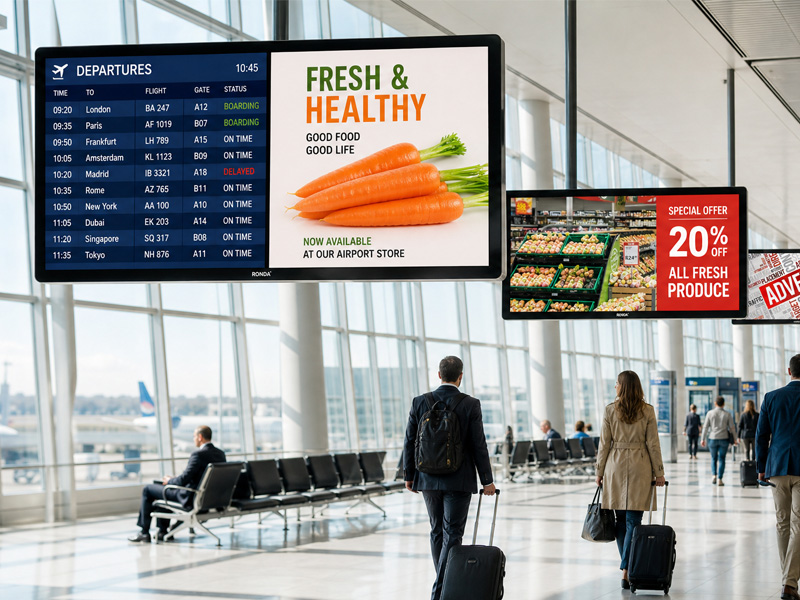
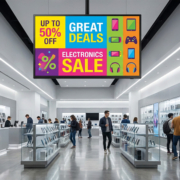
Advertising Digital Signage
Factors Influencing Manufacturing Duration
1. Degree of Customization
A standard digital signage display with slight modifications can be manufactured more quickly than a fully customized solution.
Examples of additional development needs include:
- Custom housing design
- New mounting brackets
- Special interfaces
- Built-in cameras or scanners
- Customized software
The greater the level of customization, the longer the development cycle will be.
2. Size of Display and Complexity of Design
Displays that are large-format or uniquely shaped may necessitate extra engineering efforts.
Considerations include:
- Mechanical structure
- Heat dissipation design
- Installation requirements
- Transportation considerations
3. Availability of Components
Certain components can impact production timelines, such as:
- LCD panels
- Touch sensors
- Processors
- Memory modules
- Communication modules
Collaborating with a knowledgeable manufacturer can help mitigate supply chain risks.
4. Testing Requirements
Various applications necessitate different testing levels.
Industrial and commercial projects may require:
- Temperature testing
- Reliability testing
- Touch calibration
- EMC testing
- Long-term operation testing
More stringent environments typically demand more validation time.
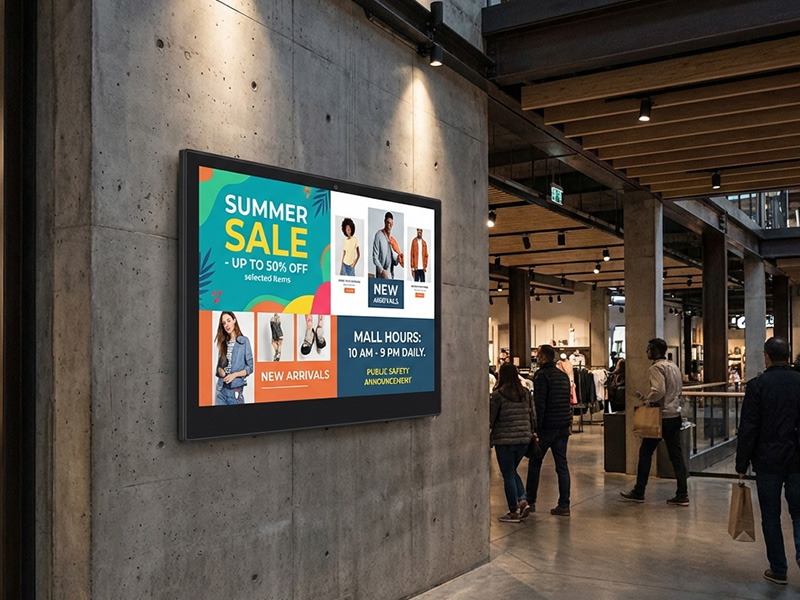
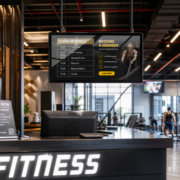
Digital Signage Display
How to Minimize Lead Time for Custom Digital Signage?
Businesses can accelerate the manufacturing process by:
Preparing Comprehensive Requirements in Advance
Providing details regarding:
- Application scenario
- Hardware specifications
- Software capabilities
- Installation methods
This assists engineers in swiftly designing the appropriate solution.
Selecting a Skilled OEM/ODM Partner
Manufacturers with established product platforms can expedite customization since they already possess:
- Hardware designs
- Production facilities
- Supply chains
- Testing methodologies
Utilizing Existing Platforms
Numerous digital signage manufacturers provide modular solutions that facilitate customization without starting from scratch.
For instance, clients can tailor:
- Screen dimensions
- Housing aesthetics
- Operating systems
- Branding elements
- Interfaces
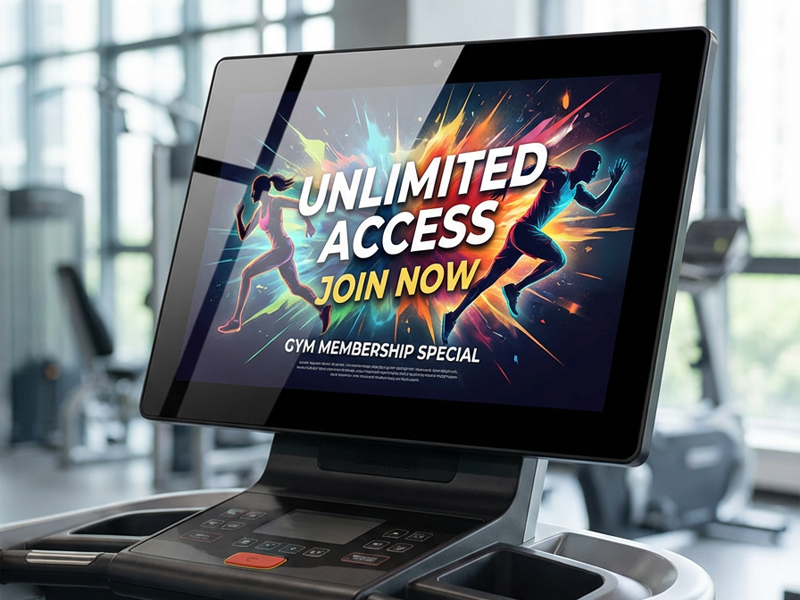
Digital Signage display
while retaining the reliable hardware platform.
Portworld Custom Digital Signage Manufacturing
Portworld specializes in the OEM/ODM production of digital signage displays, industrial touch screens, embedded panel PCs, and smart terminal solutions for clients worldwide.
With extensive expertise in hardware design, system integration, and tailored manufacturing, Portworld is equipped to support projects that necessitate:
- Android, Linux, or Windows operating systems
- Integration of touch screens
- Custom enclosure designs
- Various display sizes
- Expansion of interfaces
- Custom branding and packaging options
From the initial prototype development to full-scale production, Portworld assists businesses in creating dependable digital signage solutions for sectors such as retail, transportation, hospitality, industrial automation, and smart commercial applications.
Typically, the manufacturing timeline for a custom digital signage display ranges from 4 to 12 weeks, influenced by the degree of customization, complexity of the product, and volume of the order.
For organizations embarking on digital signage initiatives, selecting the appropriate OEM/ODM manufacturer and establishing clear requirements at the outset can greatly reduce development time and facilitate a more efficient production process.