Smart Control Panel with Android vs. Linux: Which Is Better?
As smart homes, hotels, and commercial buildings evolve into more intelligent environments, traditional switches and standalone controllers are being replaced by smart control panels. These touchscreen devices require a dependable operating system to facilitate graphical interfaces, automation applications, IoT communication, and sustained operation.
In the process of developing a smart control panel, a critical decision involves selecting between Android and Linux. Each system presents its own set of advantages, and the optimal choice is contingent upon the specific application requirements, customization needs, and product positioning.
Android Smart Control Panels: Versatile and Application-Centric
Android stands out as one of the most widely used operating systems for smart touch panels due to its familiar development environment and extensive application ecosystem.
A smart control panel powered by Android can execute applications akin to those on smartphones and tablets, making it ideal for projects that necessitate interactive interfaces and rapid software development.
Advantages of Android:
Extensive Application Ecosystem
Android accommodates a vast array of applications and development tools, simplifying integration with:
- Mobile applications
- Cloud platforms
- IoT solutions
- Remote management systems
Rapid UI Development
Developers can swiftly design contemporary graphical interfaces featuring:
- Animation
- Touch interactions
- Multimedia content
- Custom applications
Seamless Integration
Android panels are well-suited for systems that require:
- App-based control
- Voice assistant integration
- Cloud services
- Compatibility with third-party software
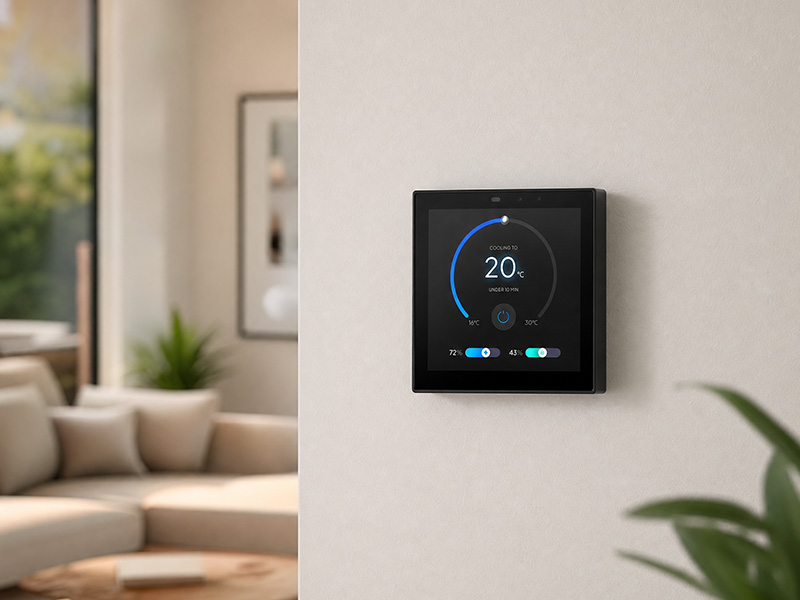
smart home control panel
Linux Smart Control Panels: Reliable and Highly Customizable
Linux is extensively utilized in professional embedded applications due to its provision of enhanced system control and superior customization options.
In contrast to Android, embedded Linux systems can be specifically tailored to suit the hardware and application requirements.
Benefits of Linux:
Extensive System Customization
Manufacturers have the ability to customize:
- Kernel configuration
- Device drivers
- Boot process
- System services
- Firmware architecture
This capability enables developers to construct a streamlined and optimized system.
Enhanced Long-Term Stability
Linux-based smart panels are frequently favored for:
- Building automation
- Industrial HMI
- Hotel systems
- Commercial applications
as they offer:
- Extended product lifecycle
- Dependable performance
- Reduced resource consumption
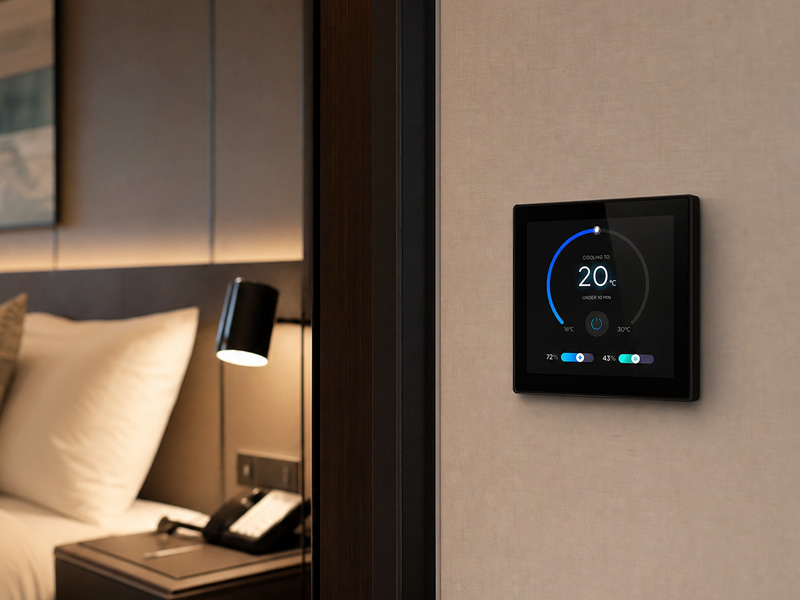
smart home control panel
Professional Embedded Development
Linux accommodates frameworks such as:
- Qt/QML
- LVGL
- Custom embedded UI systems
which are commonly employed for industrial and automation interfaces.
Android vs Linux: Key Differences
| Feature | Android Smart Panel | Linux Smart Panel |
|---|---|---|
| Application support | Excellent | Good |
| UI development | Fast and flexible | Highly customizable |
| System control | Medium | Excellent |
| Hardware optimization | Good | Excellent |
| Software ecosystem | Very large | Large developer ecosystem |
| Long lifecycle products | Good | Excellent |
| Best for | Consumer smart applications | Professional embedded systems |
Which Operating System Is Superior for Smart Home Panels?
The response is contingent upon the specific project requirements.
Android Is More Suitable For:
- Smart home tablets
- Hotel guest interfaces
- Multimedia control panels
- Applications that necessitate mobile-style apps
- Cloud-connected devices
For instance, a luxury hotel room panel might utilize Android due to its ability to offer:
- Custom welcome screens
- Guest service applications
- Entertainment control
- Integration with mobile applications
Linux Is More Appropriate For:
- Professional smart wall panels
- Building automation systems
- Industrial control terminals
- Long-term commercial products
Linux is frequently chosen when projects demand:
- Custom firmware
- Specialized hardware integration
- Rapid boot time
- Reliable 24/7 operation
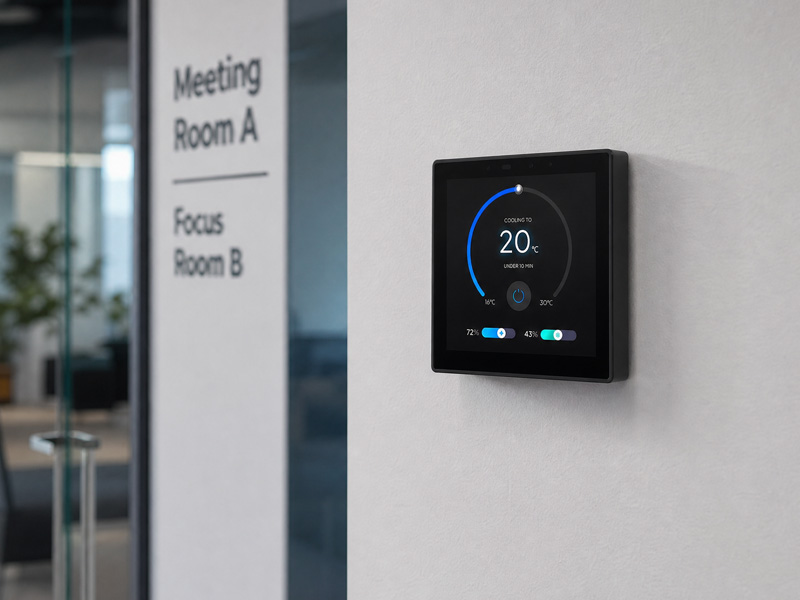
smart home control panel
Portworld Android and Linux Smart Control Panel Solutions
Portworld specializes in the development of intelligent touch control panels that are compatible with both Android and Linux platforms, catering to various automation needs.
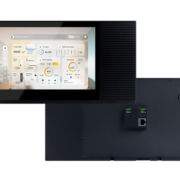
For instance, the YC-1011, a 10.1-inch smart touch control panel, utilizes the RK3568 platform and is compatible with Android 11 and Debian Linux, offering versatility for smart home and commercial automation initiatives.
Key features include:
- 10.1-inch capacitive touchscreen
- RK3568 quad-core processor
- WiFi and Bluetooth connectivity
- Ethernet with PoE support
- Wall-mounted installation
- Custom software development support
For more compact applications, Portworld also offers panels such as:
YC-SM41P
- 4-inch smart touch control panel
- Android/Linux support
- RS485 communication
- Ethernet connectivity
- PoE options
YC-SM43P
- ESP32-S3 smart HMI platform
- LVGL graphical interface
- WiFi/Bluetooth/Ethernet
- RS485 communication
- OEM/ODM Customization for Android and Linux Panels
Recognizing that different clients have varying requirements for operating systems and software environments, Portworld offers comprehensive customization services, which include:
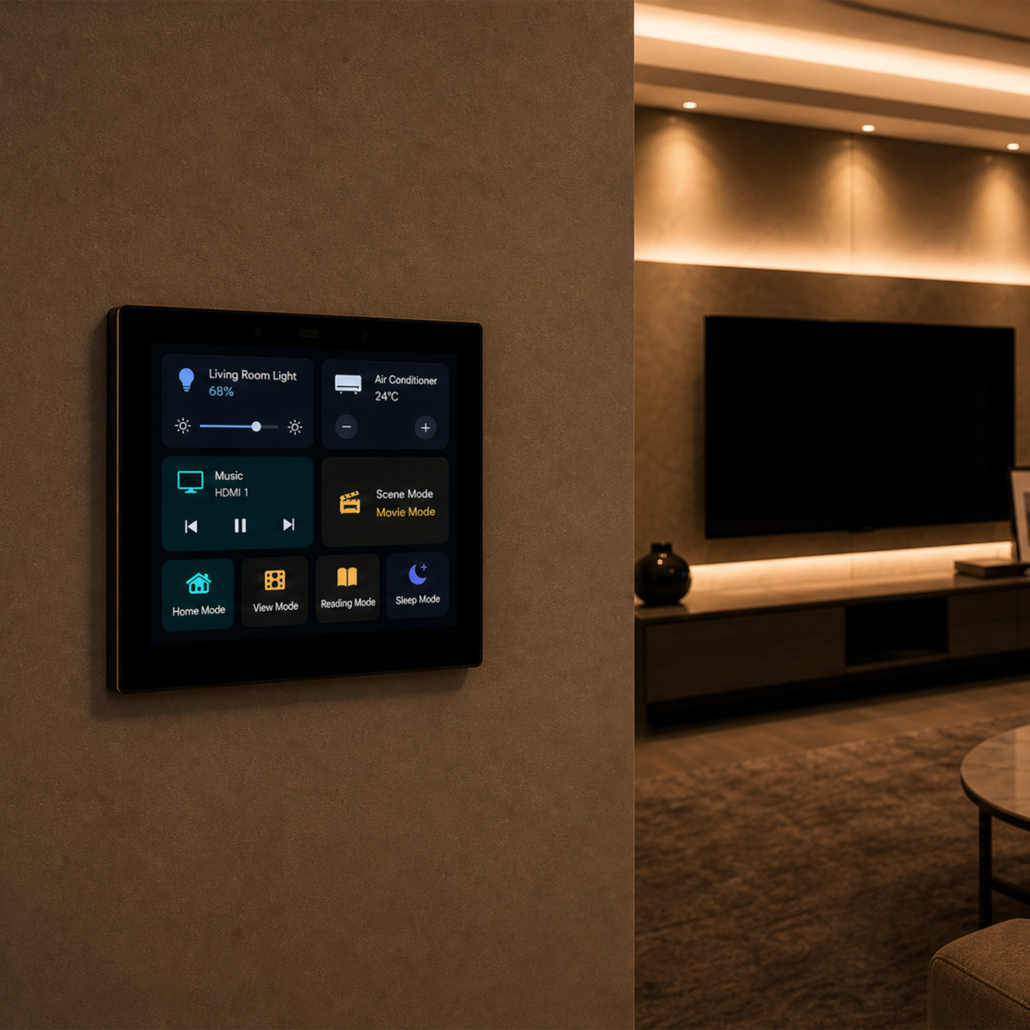
YC-SM43P ESP32 4″ Smart Touch Panel
Hardware Customization
- PCBA design
- Processor selection
- Communication module integration
- Display and enclosure customization
Software Customization
- Android firmware development
- Debian/Linux customization
- Yocto Linux BSP development
- Qt/QML UI design
- Application integration
Product Branding
- Custom UI
- Logo printing
- Enclosure design
- Packaging customization
Both Android and Linux present excellent options for smart control panels, each serving distinct purposes.
Android is particularly suited for applications that demand rich interfaces, rapid development, and robust app compatibility.
Conversely, Linux is more appropriate for professional automation products that necessitate extensive customization, stability, and long-term deployment.
When it comes to smart homes, hotels, offices, and intelligent buildings, the selection of the appropriate operating system hinges on the equilibrium between user experience, hardware specifications, and future product strategies.