The Comparison Between Android and Linux Smart Control Panels for B2B Applications
In the B2B smart building and industrial automation sector, selecting the appropriate operating system for a smart control panel transcends mere technical considerations—it significantly influences system performance, user experience, integration capabilities, and long-term scalability.
Among the various options available, Android and Linux smart control panels stand out as the two most prevalent solutions. Each operating system possesses unique advantages, catering to different categories of commercial and industrial applications.
This article offers a practical comparison of Android and Linux smart control panels from the perspective of B2B deployment, assisting system integrators, OEM/ODM purchasers, and smart building developers in making informed decisions.
Understanding Smart Control Panels in B2B Applications
In B2B settings, a smart control panel is generally a wall-mounted or embedded touchscreen device utilized for managing building automation systems, which include:
- Lighting control systems
- HVAC and underfloor heating
- Security and access control
- Meeting room booking systems
- Energy management dashboards
- IoT and smart building platforms
Unlike consumer-grade tablets, these panels are engineered for continuous operation, reliable deployment, and compatibility with various protocols such as KNX, RS485, Modbus, and MQTT.
Android Smart Control Panels: Focused on User Experience and Adaptability
Android-based smart control panels are extensively utilized in contemporary commercial buildings due to their rich user interface and robust application ecosystem.
Key Advantages of Android Panels
A significant benefit of Android is its flexibility in user interface design. This capability enables developers to create highly interactive dashboards featuring smooth animations, touch gestures, and app-based navigation.
Such attributes make Android particularly suitable for settings where user interaction occurs frequently, including smart homes, hotel rooms, and office meeting areas.
Additionally, Android accommodates a broad spectrum of third-party applications and IoT platforms, facilitating quicker and more adaptable integration.
Another crucial benefit is the rapid development and customization potential. OEM/ODM manufacturers can effortlessly adjust UI designs, system applications, and control interfaces to align with various project specifications.
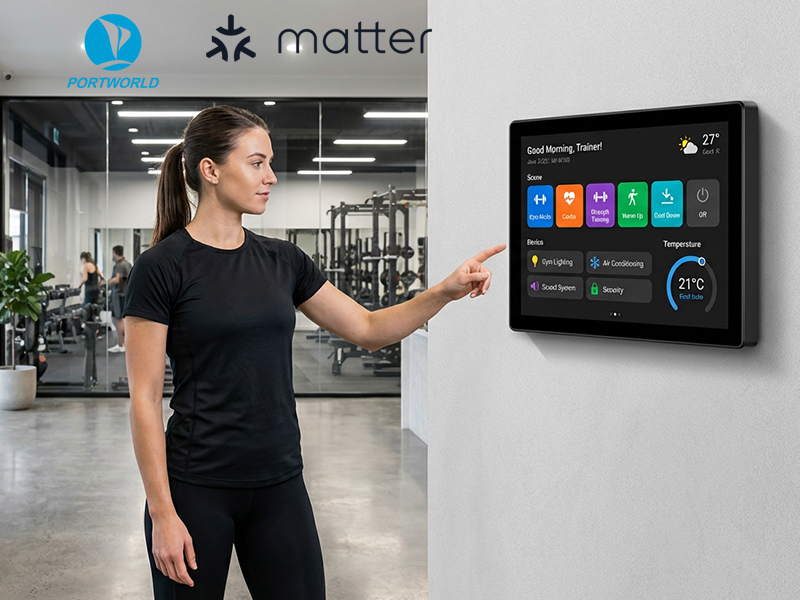
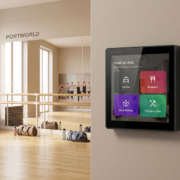
smart home control panel
Common B2B Applications for Android Panels
Android smart control panels are frequently employed in:
- Smart hotels for managing guest room controls
- Smart apartments for residential automation
- Corporate meeting room control systems
- Smart office dashboards
- High-end residential smart home systems
In these contexts, prioritizing user experience is essential.
Linux Smart Control Panels: Stability and Industrial Reliability
Linux-based smart control panels are developed with a distinct approach. Rather than emphasizing visual interaction, Linux emphasizes system stability, performance efficiency, and industrial-grade reliability.
Key strengths of Linux panels
Linux systems are recognized for their lightweight architecture, making them well-suited for embedded devices that need to operate continuously without interruption.
They utilize fewer resources compared to Android, resulting in quicker boot times and reduced memory consumption.
Linux is also highly favored in settings that demand deep system integration and protocol-level control, such as KNX, Modbus, and RS485-based automation systems.
For industrial and building automation systems, Linux offers superior control over background processes and communication layers.
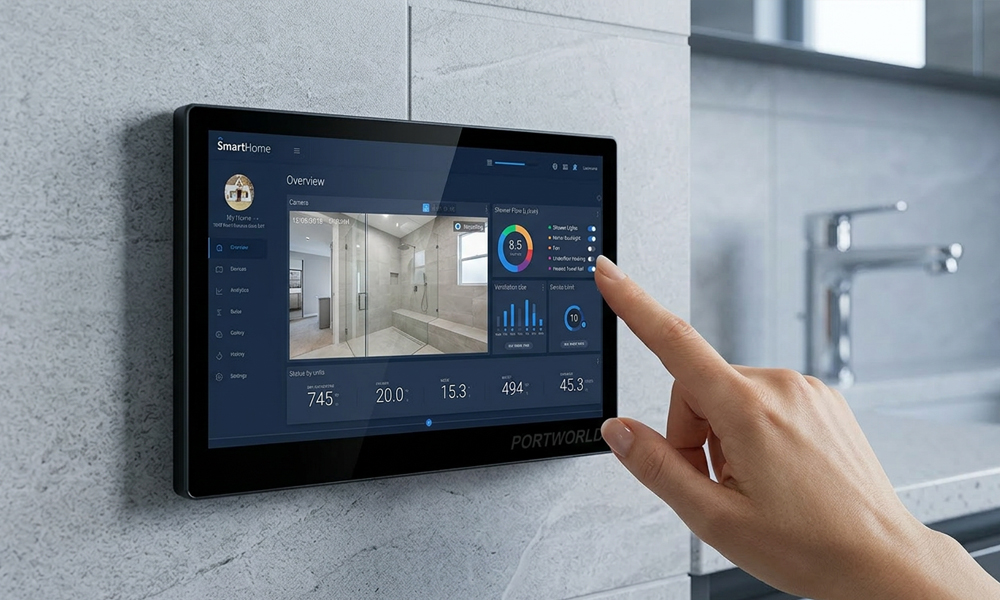
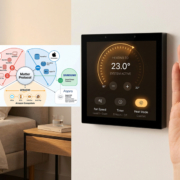
10 inch smart home control panel
Typical B2B use cases for Linux panels
Linux smart control panels are frequently utilized in:
- Commercial building automation systems
- Industrial control environments
- Energy management platforms
- Backend control terminals for HVAC systems
- Large-scale smart infrastructure projects
In these scenarios, stability and reliability take precedence over UI complexity.
Android vs Linux: Key Differences in B2B Deployment
When evaluating Android and Linux smart control panels, the distinction lies not in which is superior, but in which is more appropriate for the specific project requirements.
Android emphasizes user interaction and experience, whereas Linux prioritizes stability and system management.
Android provides enhanced UI capabilities, making it well-suited for environments that engage customers. In contrast, Linux delivers superior performance efficiency and is frequently utilized in backend or infrastructure-level control systems.
Android typically allows for greater flexibility in rapid customization, while Linux offers more profound system-level control and long-term reliability.
Integration with Smart Building Protocols
In B2B deployments of smart control panels, the ability to integrate is of utmost importance.
Both Android and Linux panels can accommodate major industrial protocols, yet their applications differ.
Linux is often employed as the protocol processing layer, managing communication with KNX systems, RS485 Modbus devices, and various industrial controllers.
Android is frequently utilized as the visual interface layer, displaying real-time data and user controls in an intuitive touchscreen format.
In sophisticated smart building architectures, both systems are occasionally merged to form a hybrid solution.
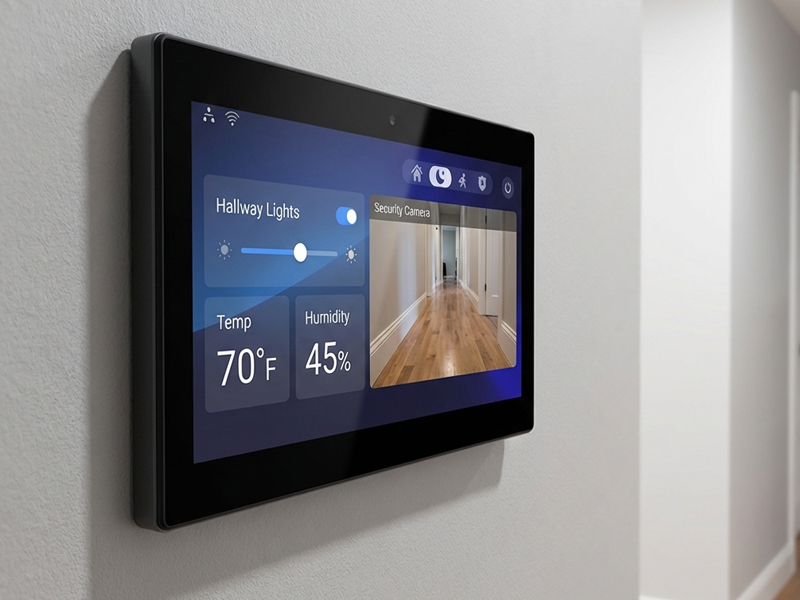
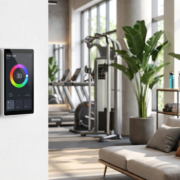
smart home control panel-1
Performance and Resource Considerations
From a hardware standpoint, Linux generally operates more efficiently on low-power embedded processors, making it ideal for cost-sensitive or extensive deployments.
In contrast, Android necessitates greater system resources but provides significantly enhanced graphical performance and user interaction capabilities.
For instance, Android panels frequently utilize Rockchip processors such as RK3566 or RK3588 to manage UI rendering and multitasking, whereas Linux systems can function effectively on lighter configurations.
OEM/ODM Perspective in B2B Projects
In the realm of OEM/ODM smart control panel manufacturing, both Android and Linux present substantial customization opportunities.
Android facilitates the customization of UI design, applications, and user interaction flows. Conversely, Linux permits more profound system-level alterations, including kernel-level optimization and protocol stack integration.
In numerous B2B projects, manufacturers like Portworld offer both Android and Linux-based smart control panels, allowing clients to select based on project specifications such as smart homes, hotels, or industrial automation systems.
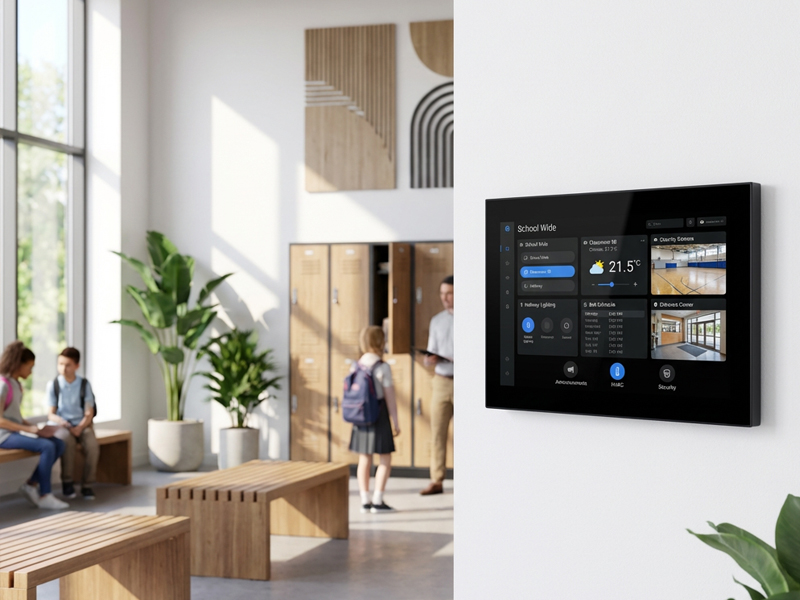
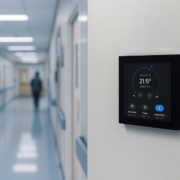
sm10p smart home control panel
Choosing the Right Solution
Practically speaking, the decision hinges on the application scenario.
If the objective is to develop a user-friendly interface for residents, guests, or employees, Android is typically the superior choice.
However, if the emphasis is on system stability, industrial integration, or backend automation control, Linux is frequently the preferred alternative.
In large-scale smart building initiatives, a hybrid architecture that integrates both Android and Linux is becoming increasingly prevalent, providing both an excellent user experience and dependable system control.