How to Choose Between a Linux vs Android OS KNX Smart Home Hub?
As smart home technology continues to advance, KNX has emerged as one of the most dependable solutions for professional home and building automation. Covering areas such as lighting, HVAC control, security systems, and energy management, KNX offers a robust communication platform for contemporary intelligent environments.
When choosing a KNX smart home hub, a crucial factor is selecting the appropriate operating system. Currently, numerous KNX smart panels and control hubs are available with either Linux OS or Android OS. Each system presents its own set of benefits, but the optimal choice is contingent upon your project specifications, application context, and customization requirements.
This article aims to compare Linux and Android OS KNX smart home hubs to assist you in making an informed decision.
A KNX smart home hub serves as a central control unit that connects and oversees various smart systems through the KNX communication protocol.
In contrast to basic smart switches, a KNX hub is capable of integrating numerous systems, such as:
– Lighting control
– HVAC and air conditioning
– Underfloor heating
– Motorized curtains and blinds
– Security systems
– Access control
– Energy monitoring
– Smart scenes and automation
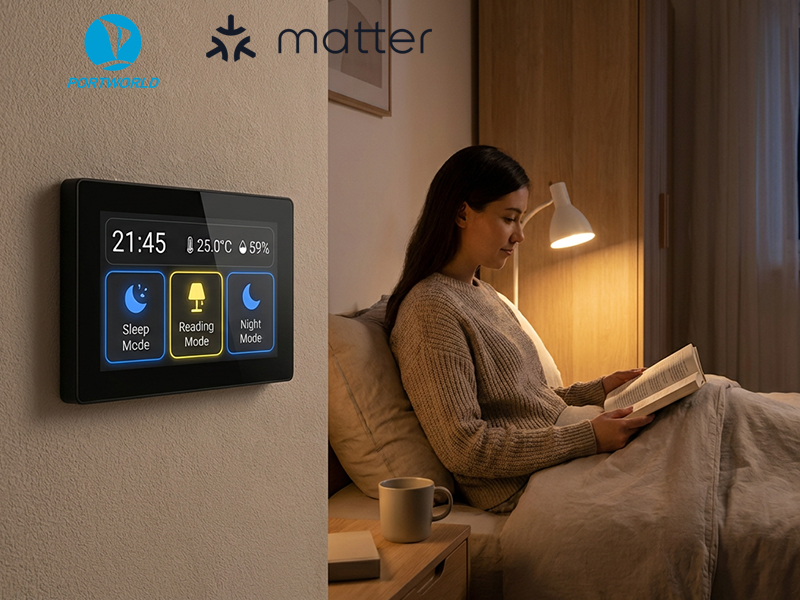
Equipped with an embedded operating system, a KNX smart panel offers users an intuitive touchscreen interface for managing these systems.
smart home control panel
Linux vs Android OS: What Are the Distinctions?
The primary distinction between Linux and Android KNX smart home hubs lies in their flexibility, user experience, and application compatibility.
Linux KNX Smart Home Hub
Linux-based KNX panels are frequently utilized in professional automation projects where stability and reliability are paramount.
Benefits of Linux OS:
1. Exceptional Stability and Reliability
Linux is recognized for its lightweight architecture and enduring stability. It can operate continuously for years with minimal upkeep, making it ideal for:
- Hotels
- Office buildings
- Commercial automation
- Large residential projects
2. Reduced System Resource Demands
In comparison to Android, Linux typically necessitates fewer hardware resources.
This allows Linux KNX hubs to provide:
- Decreased power consumption
- Quicker startup times
- Efficient performance
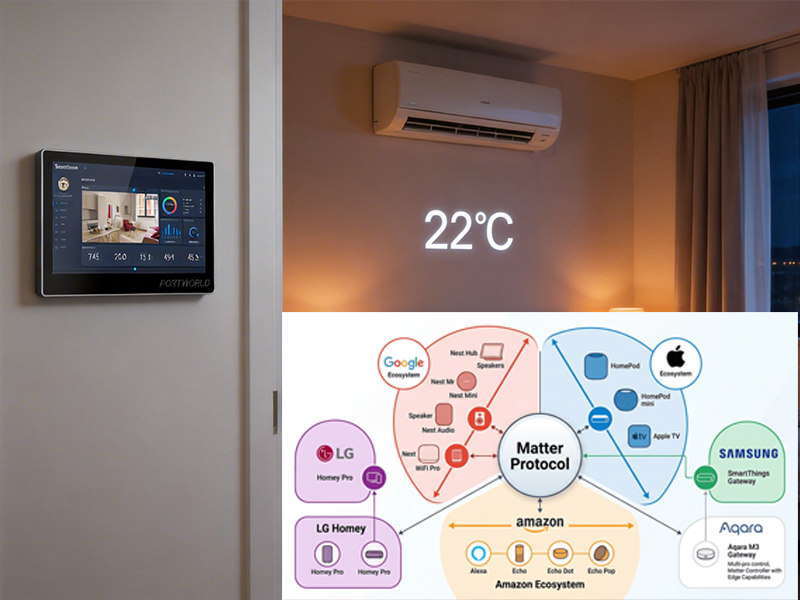
smart control panel
3. Robust Industrial Compatibility
Linux is extensively employed in embedded systems and industrial applications.
It integrates effectively with:
- KNX systems
- RS485 devices
- Modbus equipment
- Industrial IoT platforms
For professional automation projects that demand reliability, Linux is frequently the preferred option.
Android KNX Smart Home Hub
The Android-based KNX smart panels merge KNX automation with the versatility of the Android ecosystem.
Benefits of the Android Operating System:
1. Intuitive User Interface
Android offers a user experience that is similar to that of smartphones and tablets.
Users can effortlessly:
- Navigate through touch menus
- Install various applications
- Personalize their interfaces
- Utilize smart home applications
This makes Android KNX panels appealing for both residential users and commercial settings.
2. Expanded Application Opportunities
Android boasts a vast application ecosystem.
A KNX Android smart panel can seamlessly integrate with:
- Smart home applications
- Video intercom software
- Security monitoring solutions
- Custom automation systems
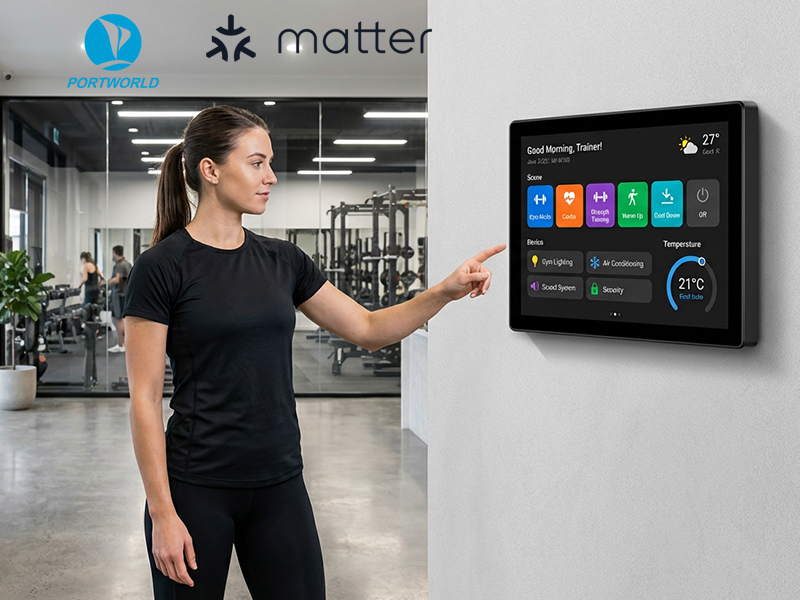
smart home control panel
3. Enhanced Multimedia Capabilities
Android is well-suited for applications that require:
- Video playback functionality
- Camera surveillance
- Voice interaction capabilities
- Digital signage features
This renders Android KNX hubs perfect for smart homes, hotels, and contemporary office spaces.
4. Simplified Software Customization
Manufacturers have the ability to tailor Android systems with:
- Custom user interface designs
- Specialized applications
- Branded interfaces
- Over-the-air updates
Linux vs Android KNX Smart Home Hub Comparison
| Feature | Linux KNX Hub | Android KNX Hub |
|---|---|---|
| Stability | Excellent | Excellent |
| User Interface | Professional | Smartphone-like |
| App Support | Limited | Extensive |
| Multimedia | Basic | Advanced |
| Customization | System-level | UI & Application level |
| Power Consumption | Lower | Higher |
| Best Applications | Commercial automation | Smart homes & interactive control |
Which One Is Better for Smart Homes?
For modern residential projects, an Android KNX smart home hub is often a better choice because homeowners usually expect:
- Large touchscreen interaction
- Easy operation
- Mobile-style interfaces
- Smart applications
- Multimedia features
An Android KNX panel can combine home automation with entertainment, security monitoring, and personalized scenes.
For example:
A homeowner can use one wall-mounted Android KNX panel to:
- Adjust HVAC temperature
- Control lighting scenes
- Monitor cameras
- Manage curtains
- Access smart home applications
Which One Is Better for Commercial Buildings?
Linux KNX hubs are often preferred for commercial environments where continuous operation and system stability are critical.
Typical applications include:
- Office buildings
- Hotels
- Industrial facilities
- Smart campuses
These projects usually prioritize:
- Reliability
- Long service life
- Low maintenance
- Stable communication
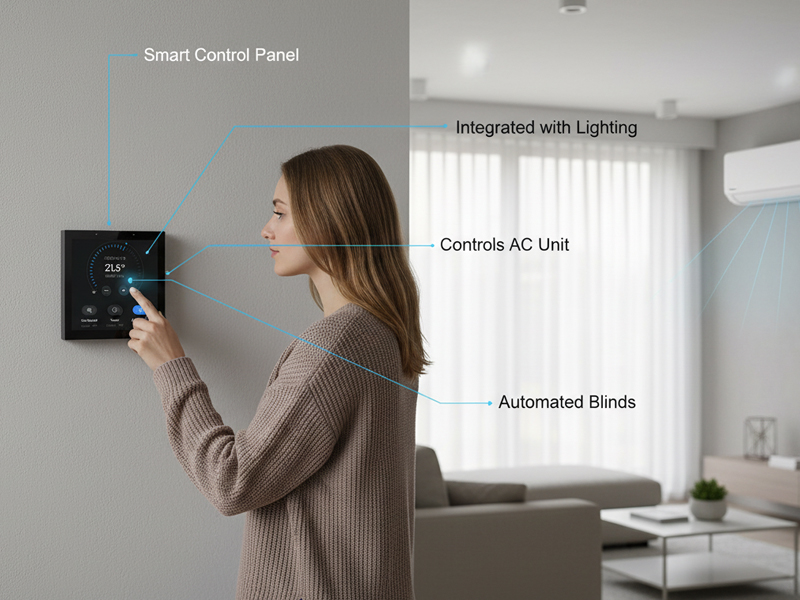
smart home control panel65-1
Portworld KNX Smart Panel Solutions
Portworld offers expert smart control panel solutions that facilitate KNX integration for both residential and commercial automation initiatives.
The YC-SM41P-KNX 4-inch KNX Smart Touch Control Panel is tailored for smart homes, hotels, and office automation.
Key features encompass:
– Android 13 or Linux OS options
– RK3566 Quad-Core processor
– KNX integration
– 480×480 capacitive touchscreen
– Ethernet and PoE support
– RS485 communication
– Optional Zigbee gateway support
– Optional temperature and humidity sensors
With the availability of both Android and Linux system options, clients can choose the platform that aligns best with their application needs.
OEM/ODM Customization for KNX Smart Panels
Portworld offers comprehensive customization services for smart control panel projects.
Hardware Customization
This includes:
- Selection of display size
- Customization of processor
- PCBA design
- Integration of KNX interface
- Integration of sensors
- Design of custom enclosures