
Optical bonding vs air bonding for outdoor panel visibility
When it comes to outdoor displays and panels, visibility is key. Whether it’s a digital signage display, a kiosk, or a smart control panel, ensuring that your screen is clearly visible in various weather conditions and lighting scenarios is essential for both user experience and functionality. Two common methods used to improve the visibility of outdoor panels are optical bonding and air bonding. In this article, we will compare these two techniques in terms of performance, durability, and cost-effectiveness to help you choose the best solution for your outdoor display.
What is Optical Bonding?
Optical bonding is a process in which a layer of optically clear adhesive is used to bond the LCD or touchscreen directly to the glass or protective cover of a display. This bonding eliminates the air gap between the screen and the glass, resulting in improved display performance.
Here are the key steps involved in optical bonding:
- Adhesive Layer: A layer of clear adhesive is applied between the screen and glass. This layer is typically optically clear, ensuring that the display maintains its resolution and clarity.
- Pressure and UV Curing: After applying the adhesive, the display is placed under pressure and then exposed to UV light to cure and harden the adhesive.
- Seamless Display: The result is a seamless and durable surface with no air gap, which improves brightness, contrast, and visibility in bright outdoor environments.
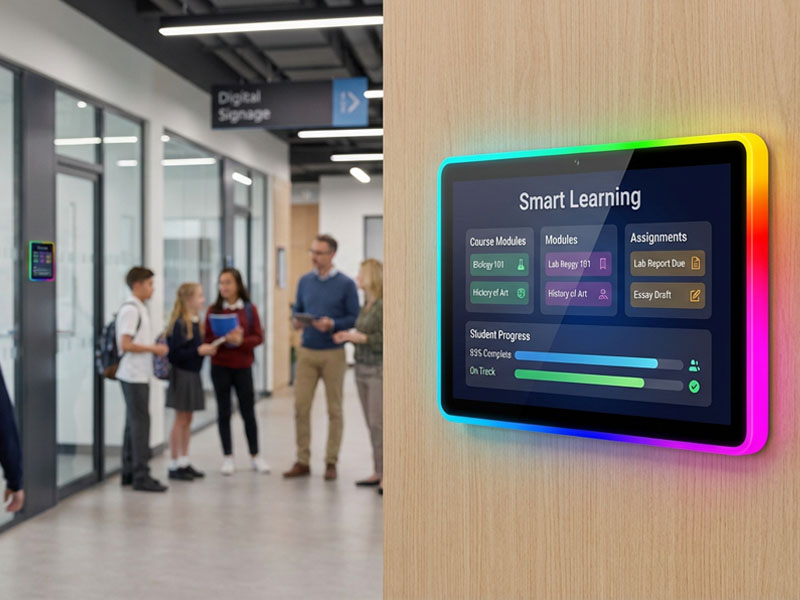
Digital Scheduling Systems-1
Advantages of Optical Bonding
- Improved Brightness and Contrast: By eliminating the air gap between the screen and glass, optical bonding reduces light reflection, improving contrast and brightness. This is especially beneficial in outdoor settings where ambient light can be a challenge.
- Reduced Glare: Optical bonding significantly reduces glare, making it easier to view the screen in bright sunlight.
- Enhanced Durability: The adhesive layer used in optical bonding provides shock resistance and makes the panel more resilient to temperature changes and physical impacts.
- Better Touch Performance: For touchscreen displays, optical bonding reduces the parallax effect, providing a more accurate and responsive touch experience.
- Protection from Moisture: Since the bonding removes any air gap, it helps protect the internal components of the panel from moisture and dust.
Disadvantages of Optical Bonding
- Higher Cost: Optical bonding is more expensive due to the materials involved and the specialized process required. This can increase the overall cost of manufacturing and installation.
- Complexity: The process is more complicated and time-consuming, requiring careful handling to ensure a consistent bond and clear visibility.
- Potential for Bubble Formation: If not done correctly, bubbles or imperfections can form between the adhesive and the screen, affecting the display’s clarity.
What is Air Bonding?
Air bonding, also known as air gap bonding, is a simpler process that involves leaving a small air gap between the display screen and the protective glass or cover. This method is more common for indoor panels but can also be used for outdoor displays in less demanding environments.
Here’s how air bonding works:
- Gap Between Screen and Glass: In air bonding, the screen and glass are not directly in contact. Instead, an air gap is left between the two.
- Use of Mechanical Bonding: The glass and screen are typically held together with mechanical bonding or pressure (e.g., adhesives around the edge) but without the optical adhesive layer used in optical bonding.
- Less Complex Process: The process is relatively simpler and less expensive than optical bonding since it doesn’t require specialized adhesives or UV curing equipment.

digital signage display
Advantages of Air Bonding
- Lower Cost: Air bonding is less expensive than optical bonding because it requires fewer materials and simpler manufacturing processes.
- Easier to Manufacture: Since the process is more straightforward, manufacturers can produce air-bonded panels more quickly and cost-effectively.
- Less Sensitivity to Imperfections: Air bonding is less likely to suffer from bubbles or imperfections since there is no adhesive layer in direct contact with the screen.
- Good for Indoor Applications: Air bonding works well for indoor displays or in situations where the screen won’t be exposed to extreme environmental conditions or direct sunlight.
Disadvantages of Air Bonding
- Reduced Visibility in Bright Light: The air gap between the screen and the glass can lead to light reflection, glare, and reduced brightness, making the display harder to read in bright or sunny conditions.
- Increased Glare: Since air bonding does not reduce the reflection between the screen and glass, glare can be more pronounced, especially in outdoor applications.
- Lower Durability: The air gap can allow moisture, dust, and dirt to enter the panel, potentially causing damage to the screen over time.
- Reduced Touch Performance: For touchscreen displays, the air gap may lead to inaccurate touch responses or parallax issues.
Optical Bonding vs Air Bonding: Which is the Best Solution for Outdoor Panel Visibility?
- 1. Outdoor Visibility:
- When it comes to outdoor visibility, optical bonding is the clear winner. The elimination of the air gap reduces reflection, glare, and improves brightness, making the display much more visible even in direct sunlight. For outdoor digital signage or kiosks, optical bonding is the preferred solution due to its superior performance in bright, sunny conditions.
- 2. Cost Considerations:
- If budget is a concern, air bonding may be the more cost-effective option. However, this comes at the expense of visibility, glare reduction, and durability. For environments with controlled lighting, such as indoor settings, air bonding may suffice. However, for outdoor use, the additional cost of optical bonding is justified by the enhanced performance.
- 3. Durability and Longevity:
- Optical bonding provides better durability and long-term reliability because it helps protect the screen from moisture, dust, and physical impact. If the panel will be exposed to outdoor elements, optical bonding will provide superior protection and extended lifespan compared to air bonding.
- 4. Performance:
- For applications where clarity, contrast, and touch accuracy are important, optical bonding is the ideal choice. It provides clearer visuals, especially in outdoor environments with fluctuating light conditions. On the other hand, air bonding may be suitable for less demanding environments, but it falls short in terms of display clarity and brightness.

4K UHD digital signage display-1
Which Method is Right for Your Outdoor Panel?
When choosing between optical bonding and air bonding for outdoor panels, it’s important to consider the environment and performance requirements of your display.
- If you need a high-performance outdoor display with superior visibility, optical bonding is the way to go. It excels in bright light environments, reduces glare, and offers enhanced durability.
- If you’re looking for a cost-effective solution for indoor displays or environments with controlled lighting, air bonding may meet your needs.
At Portworld, we offer a range of outdoor panels equipped with optical bonding technology for superior visibility and long-lasting durability in the toughest conditions. Let us help you choose the right solution for your project!

