Ubuntu/Linux-Based Smart Home Panel for Private Server Integration
In the modern age, home automation systems are no longer just about controlling lighting, heating, and entertainment. The smart home ecosystem is evolving, and the need for greater control, privacy, and integration with private servers is on the rise. One of the best ways to achieve this is by using an Ubuntu/Linux-based smart home panel, a powerful tool designed to bring the benefits of custom automation, enhanced security, and seamless server integration to your home.
This article explores the advantages of using an Ubuntu/Linux-based smart home panel for private server integration, how it improves automation control, and why this approach is ideal for tech-savvy homeowners who value customizability and privacy.
What is an Ubuntu/Linux-Based Smart Home Panel?
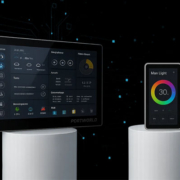
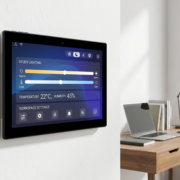
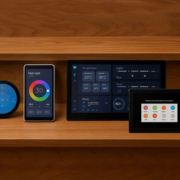
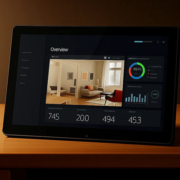
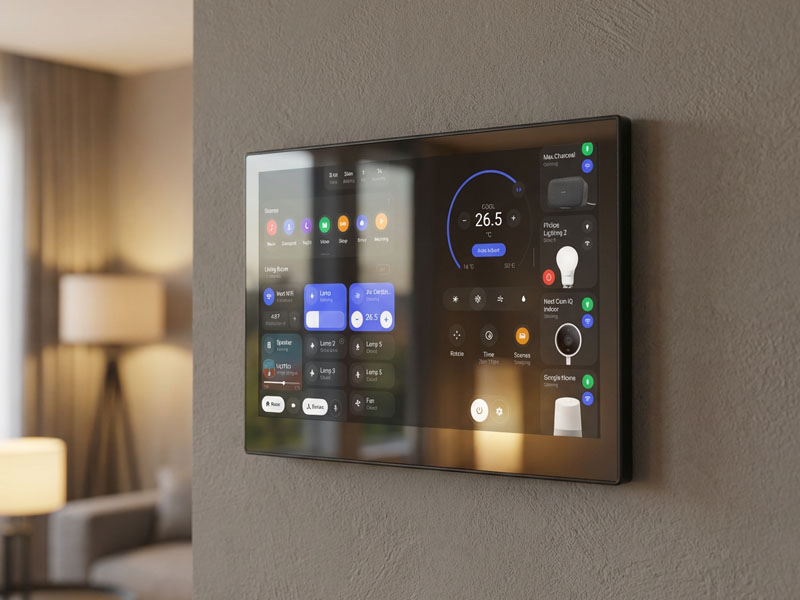
An Ubuntu/Linux-based smart home panel is a touchscreen interface that allows homeowners to manage their home automation systems and integrate them with private servers. These panels typically run on Linux distributions such as Ubuntu, offering a highly customizable, open-source platform that can be tailored to meet specific needs.
Unlike standard smart home panels, which are often cloud-dependent and subject to third-party security risks, Ubuntu/Linux-based panels provide full control over the system and data, empowering homeowners to build a private, self-hosted home automation network. These panels allow for integration with private servers, enabling the management of devices, automation, and communication across your home or office, all in one centralized interface.
smart home control panel-2
Benefits of Ubuntu/Linux-Based Smart Home Panels for Private Server Integration
1. Full Control and Privacy
One of the most compelling reasons to use an Ubuntu/Linux-based smart home panel is the ability to maintain full control over your automation system. Unlike cloud-based smart home solutions, which require users to trust third-party servers, Linux-based panels allow you to self-host your system on a private server. This means:
- Enhanced Privacy: No data is sent to external servers, ensuring that personal information and usage data stay private.
- Data Security: By hosting the server yourself, you eliminate potential vulnerabilities that may exist in third-party servers or cloud systems.
- Customizability: Linux’s open-source nature allows for the complete customization of the system’s features, interfaces, and functionalities.
Homeowners can run local apps, manage local databases, and ensure that sensitive data stays secure within their home network, offering a high degree of security that cloud-based solutions simply can’t match.
smart touch control panel-2
2. Seamless Integration with Home Automation Devices
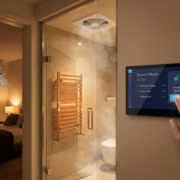
Ubuntu/Linux-based smart home panels are ideal for integrating with a wide range of home automation systems, including smart lights, security systems, climate control systems, and entertainment devices. These panels can connect to a variety of devices using standard protocols like:
- Zigbee: For connecting a wide variety of smart home devices, including lights, locks, and sensors.
- Z-Wave: For seamless integration with devices like thermostats, motion detectors, and cameras.
- RS485: For more industrial-level control, especially in larger home automation systems.
- KNX: For advanced building automation, typically used in large homes or commercial spaces.
Using an Ubuntu/Linux-based smart home panel, homeowners can integrate these devices with a private server to create a unified ecosystem that runs entirely on their own infrastructure. The flexibility of Linux allows for easy integration with a range of home automation protocols, making it the perfect solution for a truly customizable smart home.
3. Advanced Automation and Custom Scripts
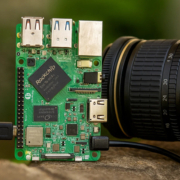
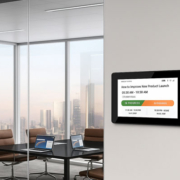
Another key advantage of using an Ubuntu/Linux-based smart home panel is the ability to leverage the power of advanced automation. Since the system is built on a Linux platform, it can take advantage of scripting languages like Python, Bash, and Node.js to create complex automations that go beyond the capabilities of standard smart home apps.
For example, you can create custom scripts that:
- Automatically adjust lighting and temperature based on time of day or occupancy.
- Control smart appliances such as refrigerators, washing machines, and coffee makers based on your routine.
- Integrate with security systems to trigger alarms or cameras when suspicious activity is detected.
- Run energy-saving routines that turn off devices and lights when no one is home, or adjust thermostat settings when certain conditions are met.
The ability to create these custom automations allows homeowners to fine-tune their home’s environment to fit their needs perfectly.
smart touch control panel-2
4. Low-Cost and Scalable Solutions
One of the greatest benefits of using an Ubuntu/Linux-based panel for home automation is its affordability. Unlike proprietary smart home systems that often come with expensive subscription fees or locked ecosystems, Linux-based panels can be run on relatively inexpensive hardware and offer scalable solutions for any home size or configuration. Whether you have a small apartment or a large estate, Linux-based systems can be expanded as needed, allowing homeowners to add more devices and scale automation over time without significant additional costs.
5. Flexibility with Private Server Hosting
Hosting your home automation system on a private server gives you total freedom. Whether you choose to run your own server at home or use a virtual private server (VPS), Linux-based smart home panels allow you to host your system anywhere. This flexibility enables homeowners to:
- Access and control the system remotely, whether at home, at work, or while traveling.
- Keep data backups on local servers or cloud backups according to your preferences.
- Integrate with existing NAS (Network Attached Storage) or media servers for smart media management and storage.
The versatility of Linux-based solutions ensures that you can have complete control over your system setup and ensure it meets your home’s exact requirements.
smart touch control panel7
Why Choose Portworld for Ubuntu/Linux-Based Smart Home Panels?
Portworld offers a wide range of smart home panels designed to run on Ubuntu/Linux, providing a perfect solution for those looking to integrate their home automation system with a private server. Here’s why Portworld should be your go-to partner:
- Customizable Solutions: Portworld offers OEM/ODM customization services, allowing you to tailor the hardware and software to fit your unique needs. Whether you need custom logos, specific UI designs, or custom scripts, we can build a solution that fits your exact requirements.
- High-Quality Panels: Our panels, such as the YC-SM10P, feature sleek designs, high-resolution touchscreens, and PoE support for easy installation and reliable operation.
- Versatile Connectivity: Our products support multiple protocols like Zigbee, Z-Wave, and RS485, ensuring compatibility with a wide variety of smart home devices.
- Long-Term Support: With 18 years of experience in the industry, Portworld provides expert technical support and a reliable supply chain for all your smart home automation needs.
An Ubuntu/Linux-based smart home panel for private server integration provides a high level of customization, privacy, and security for tech-savvy homeowners. By combining the power of open-source technology with advanced automation, homeowners can create a truly personalized smart home experience that prioritizes data security and flexibility.
With Portworld’s customizable smart panels, homeowners can build a secure, scalable, and cost-effective home automation system that works seamlessly with private servers. Whether you are looking to control lighting, HVAC, or security systems, Portworld offers the perfect solution to take your home automation to the next level.