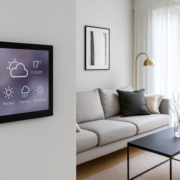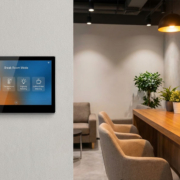
Z-Wave vs Zigbee Smart Home Panel
In the world of smart home automation, Z-Wave and Zigbee are two of the most popular communication protocols used to connect and control various smart devices. Both of these technologies enable seamless integration between devices, but each has its unique strengths and weaknesses. Choosing the right one for your smart home system depends on your needs, the devices you plan to use, and how you want your home automation to function.
In this article, we’ll compare Z-Wave and Zigbee, explore their differences, and help you decide which smart home panel and communication protocol are right for you.
What is Z-Wave?
Z-Wave is a wireless communication protocol that operates in the sub-1GHz frequency band, which offers several advantages over other communication protocols. Originally designed for home automation, Z-Wave focuses on offering reliable and long-range communication, particularly in environments with many connected devices.
Key Features of Z-Wave:
- Low Power Consumption: Z-Wave uses a low power mesh network to extend the battery life of connected devices, making it ideal for battery-powered devices like motion sensors, door locks, and security cameras.
- Interoperability: Z-Wave is known for its interoperability, as all Z-Wave-certified devices are guaranteed to work together regardless of the manufacturer.
- Security: Z-Wave includes AES-128 encryption, ensuring secure communication between devices.
- Range: Z-Wave typically offers a range of up to 100 meters (328 feet) in open areas.
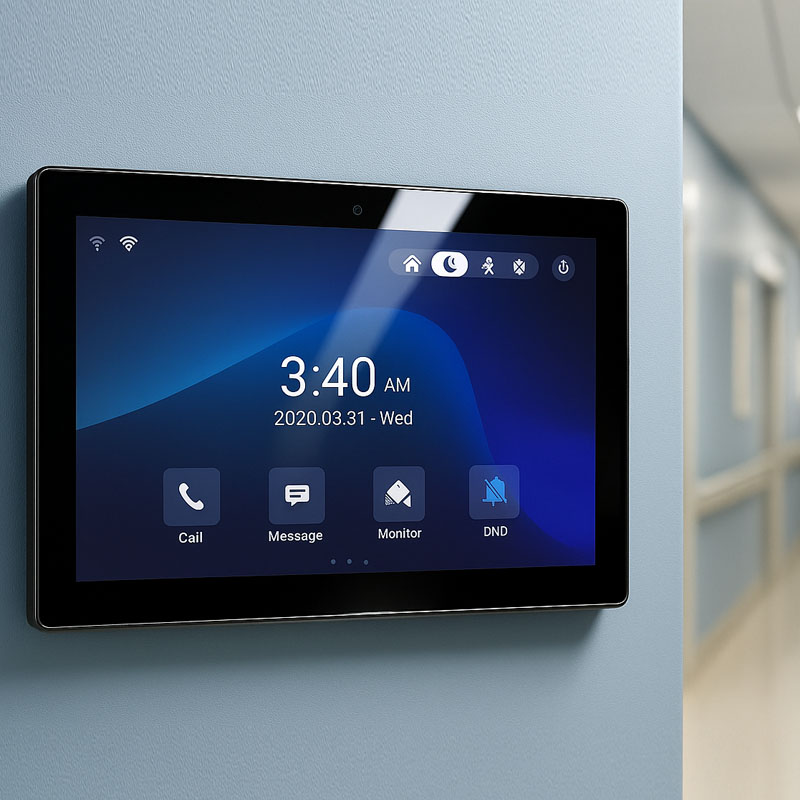
YC-SM14P-smart control panel
What is Zigbee?
Zigbee is another wireless communication protocol designed for low-power, short-range communication. It is built on the IEEE 802.15.4 standard and operates in the 2.4 GHz frequency band, which is commonly used by Wi-Fi and Bluetooth devices.
Key Features of Zigbee:
- Low Power Consumption: Like Z-Wave, Zigbee is optimized for low power use, making it suitable for devices that run on batteries, such as sensors, smart light bulbs, and thermostats.
- Mesh Networking: Zigbee supports a mesh network where devices can act as repeaters, extending the network’s range.
- Flexibility: Zigbee is supported by a wide range of manufacturers, and it’s integrated into many devices, including lights, sensors, and locks.
- Range: Zigbee has a typical range of 10 to 20 meters (33 to 66 feet) in indoor environments but can be extended through mesh networking.
Z-Wave vs Zigbee: Key Differences
While both Z-Wave and Zigbee offer reliable communication for smart home devices, their unique characteristics can make one a better choice for specific use cases. Let’s break down their differences:
1. Frequency Band and Interference
- Z-Wave operates on sub-1GHz frequencies (868 MHz in Europe and 908 MHz in the U.S.), meaning there is less interference from common devices like Wi-Fi, Bluetooth, and microwave ovens that operate on the 2.4 GHz band.
- Zigbee, on the other hand, operates in the 2.4 GHz band, which is widely used by other wireless devices, such as Wi-Fi and Bluetooth. This can lead to congestion and interference, especially in areas with a high density of connected devices.
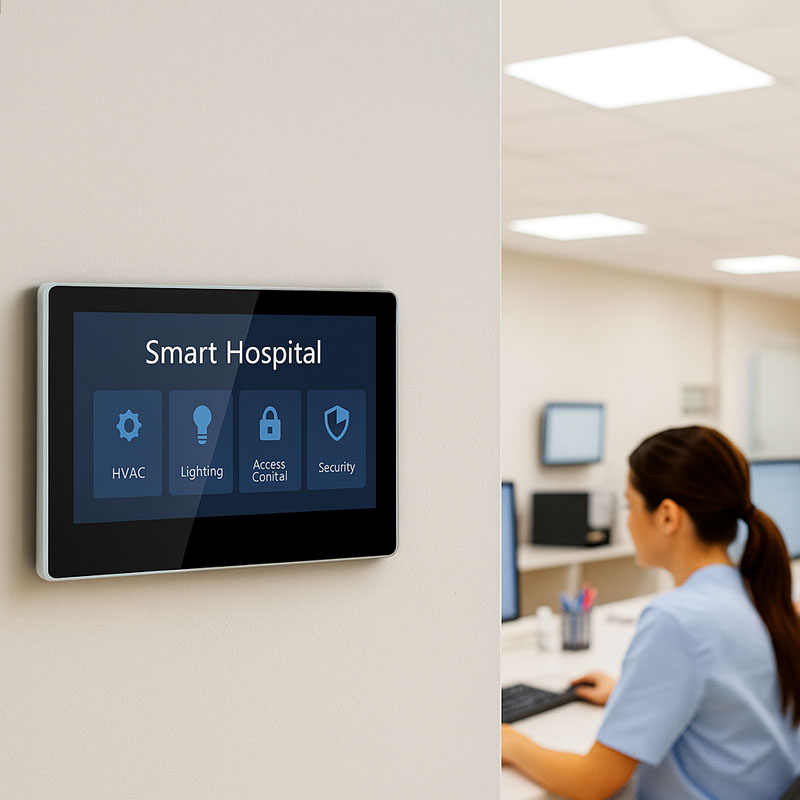
YC-SM10P Smart Home Wall Mount POE Tablet-3
2. Range and Network Capacity
- Z-Wave offers a range of up to 100 meters in open spaces, making it suitable for larger homes or properties. It can also support a maximum of 232 devices in a network.
- Zigbee has a shorter range, typically around 10 to 20 meters, but its mesh network capability allows devices to relay signals, extending the overall range. Zigbee supports more devices, typically up to 65,000 devices per network.
3. Device Compatibility and Ecosystem
- Z-Wave has a more closed ecosystem with certified devices. This means that devices from different manufacturers must meet Z-Wave certification standards to ensure they work together seamlessly. While this guarantees compatibility, it also limits the selection of devices.
- Zigbee has a more open ecosystem, with support from a wide range of manufacturers. It is also a key part of the Matter standard (formerly known as Project CHIP), which aims to make smart devices from different manufacturers fully interoperable. Zigbee allows for a more diverse range of devices, but there may be occasional compatibility issues between non-certified devices.
4. Power Consumption
-
Both Z-Wave and Zigbee are optimized for low power consumption, but Z-Wave devices generally consume less power than Zigbee devices. This makes Z-Wave a better option for battery-powered devices that need to run for long periods without frequent recharging or battery replacement.
5. Security
- Z-Wave uses AES-128 encryption for secure communication between devices, providing robust protection for sensitive data, such as home security systems and smart locks.
- Zigbee also supports encryption but does not have the same level of built-in security as Z-Wave. However, Zigbee is continuously evolving, and security standards have been improving with the introduction of newer Zigbee versions.
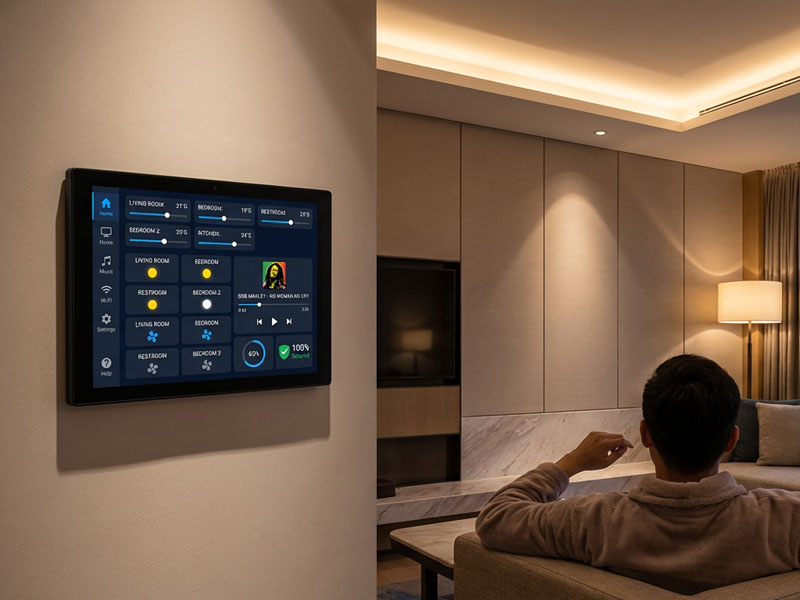
smart panel
Which One is Right for You?
Choosing between Z-Wave and Zigbee depends on your specific smart home needs. Here’s a quick guide to help you decide:
Choose Z-Wave if:
- You are building a larger smart home with a range of devices that need to be easily connected over long distances.
- You prioritize security and reliable communication with fewer interference risks.
- You want a more stable network with fewer compatibility issues between devices.
- You prefer battery-powered devices that need long-lasting performance.
Choose Zigbee if:
- You’re building a more flexible and scalable smart home system with many devices.
- You are looking for more device variety and support from a wide range of manufacturers.
- You want to benefit from Mesh networking to extend coverage without needing additional hubs.
- You plan to integrate with Matter, which will allow seamless integration with a wider ecosystem.
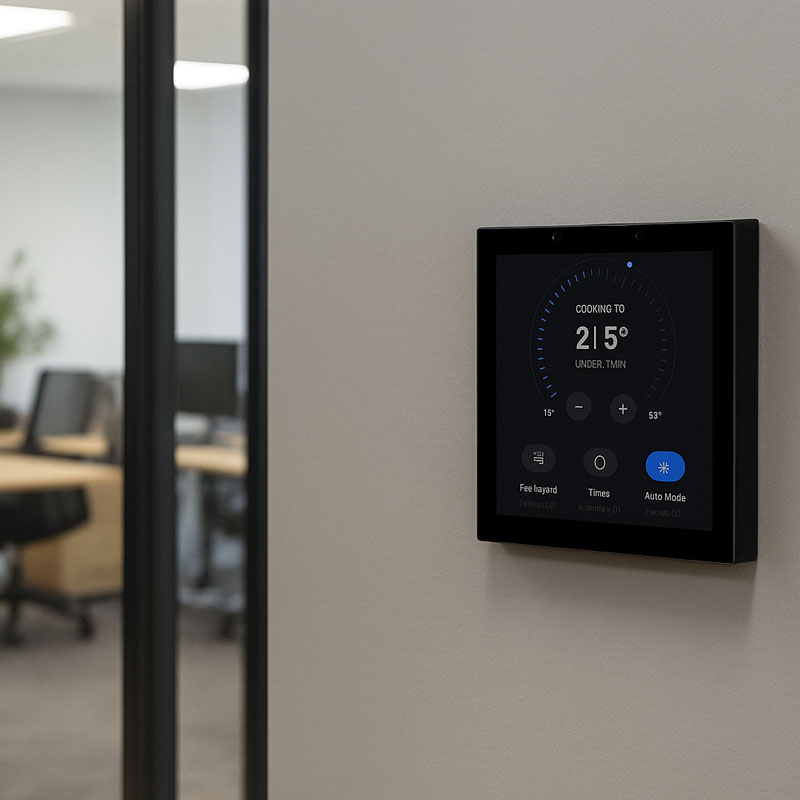
KNX smart control panel6
Portworld’s Smart Control Panels: The Perfect Solution for Z-Wave and Zigbee
Portworld offers a wide range of smart control panels compatible with both Z-Wave and Zigbee protocols. These panels serve as the central hub for controlling your home automation devices, offering easy integration with a variety of smart sensors, lights, locks, and more.
Key Features of Portworld Smart Control Panels:
- Versatile Connectivity: Fully compatible with both Z-Wave and Zigbee devices, ensuring seamless integration into your home automation system.
- User-Friendly Interface: High-resolution touchscreens that offer an intuitive interface for controlling lighting, temperature, security, and more.
- Energy-Efficient: Designed to work with low-power devices, ensuring your system remains efficient and cost-effective.
- Customizable Solutions: Portworld offers OEM/ODM services to tailor the panel’s design and functionality to meet specific needs.
- Comprehensive Support: From installation to maintenance, Portworld provides full technical support to ensure your smart home system runs smoothly.
Z-Wave vs Zigbee – Making the Right Choice
Both Z-Wave and Zigbee have their advantages, and the choice between the two will ultimately depend on the scale, interoperability needs, and specific use cases for your smart home. Whether you choose Z-Wave for its long-range reliability and security or Zigbee for its flexibility and low-cost solutions, Portworld’s smart control panels ensure that your home automation system is seamless, scalable, and ready for the future.