Zigbee/Z-Wave Smart Control Panel Hub
As smart home technology continues to evolve, more and more homeowners are adopting advanced control systems to automate their homes. A smart control panel hub that integrates with technologies like Zigbee and Z-Wave is one of the best ways to ensure your home is future-proof, flexible, and optimized for a wide variety of devices.
In this article, we’ll explore the benefits of using a Zigbee/Z-Wave smart control panel hub, the differences between Zigbee and Z-Wave, and why these technologies are critical to creating a seamless, fully integrated smart home.
What Is a Zigbee/Z-Wave Smart Control Panel Hub?
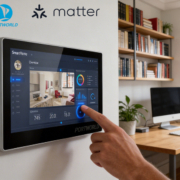
A smart control panel hub serves as the central command point of a smart home system, where all smart devices are connected and controlled. When equipped with Zigbee and Z-Wave compatibility, the hub allows you to seamlessly control a wide range of smart home devices such as lighting, security cameras, locks, thermostats, and more.
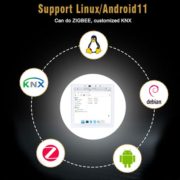
Zigbee and Z-Wave are two of the most widely used communication protocols for home automation, providing wireless connectivity for devices that allow them to work together as part of an integrated system. The key difference between the two is in the protocols they use and their communication standards, but both offer reliable, low-power, and long-range connectivity that is perfect for smart homes.
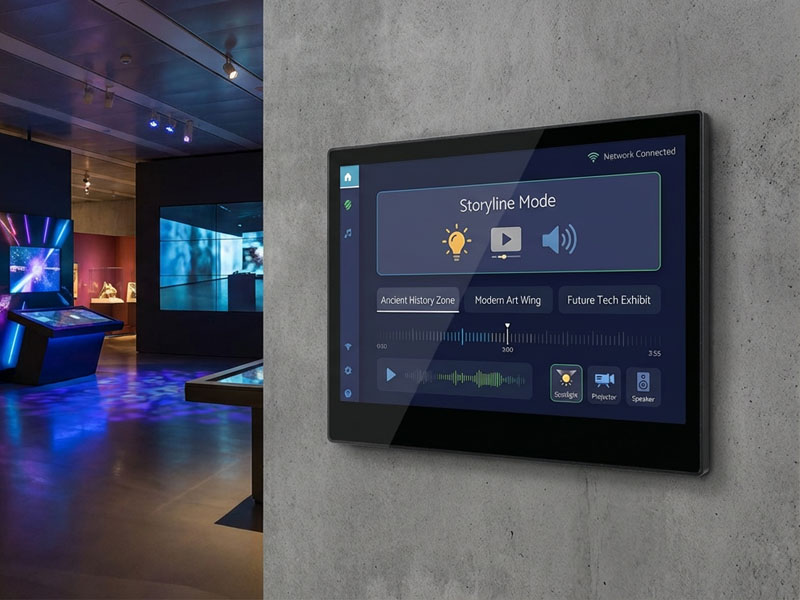
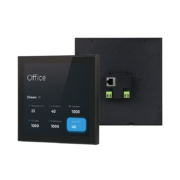
smart control panel
Benefits of Zigbee/Z-Wave Smart Control Panel Hubs
- Seamless Device Integration
- One of the biggest benefits of a Zigbee/Z-Wave smart control panel hub is its ability to integrate with a wide variety of smart devices. Whether you have Zigbee-enabled light bulbs, Z-Wave door locks, or smart thermostats, the hub allows you to control all of them from a single interface. This reduces the need for multiple apps and controllers, streamlining the entire home automation experience.
- Low Power Consumption
- Both Zigbee and Z-Wave use low-power, efficient communication protocols that don’t require a lot of energy to operate. This makes them ideal for battery-powered devices such as door/window sensors, motion detectors, and smoke alarms. A Zigbee or Z-Wave hub can manage these devices effectively without consuming too much power, providing longer battery life and reducing the need for frequent recharging or battery changes.
- Extended Range and Reliable Connectivity
- Both Zigbee and Z-Wave offer strong wireless ranges, with Zigbee generally offering a slightly larger range in ideal conditions. These technologies use mesh networks, meaning that devices communicate with each other to extend the range of the entire network. If a device is out of range from the hub, it can relay its signal through other connected devices, ensuring strong, reliable connectivity throughout your home.
- Low Latency and Real-Time Response
- With a Zigbee/Z-Wave smart control panel hub, you can expect fast, real-time responses from your devices. Whether you’re turning on lights, adjusting the thermostat, or activating your security system, the response time is typically quick and efficient. This makes your smart home feel more intuitive and responsive, with minimal delay when issuing commands.
- Improved Security and Privacy
- Zigbee and Z-Wave are both known for their secure communication protocols. Z-Wave uses AES-128 encryption to ensure that data is transmitted securely, while Zigbee uses similar security measures, making these protocols highly resistant to hacking or unauthorized access. This adds an extra layer of security to your smart home devices, ensuring that sensitive data is protected.
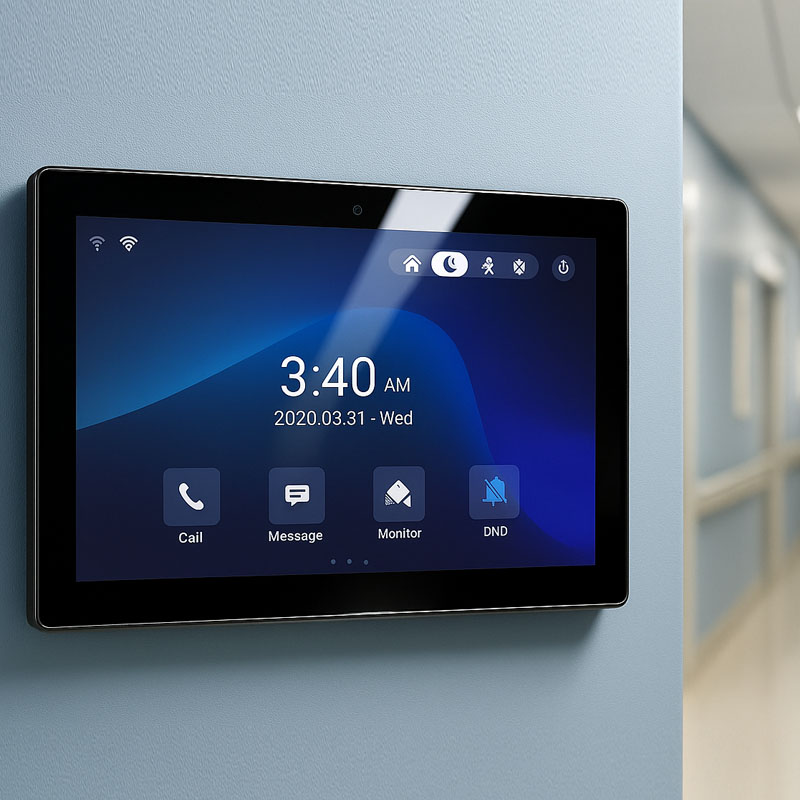
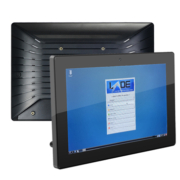
YC-SM14P-smart control panel
Zigbee vs. Z-Wave: What’s the Difference?
While Zigbee and Z-Wave are similar in many ways, they do have key differences that could influence which one you choose for your smart home:
- Range: Zigbee typically supports a longer range, often up to 100 meters outdoors, while Z-Wave generally offers a shorter range of around 30 meters indoors.
- Device Compatibility: Z-Wave is generally more focused on home automation devices, such as locks, thermostats, and sensors, while Zigbee is more commonly used for a broader range of devices, including lighting and appliances.
- Frequency: Zigbee operates at 2.4 GHz, the same frequency as Wi-Fi, which can sometimes lead to interference, whereas Z-Wave operates at a lower frequency (around 900 MHz), making it less prone to interference from Wi-Fi and Bluetooth devices.
- Device Density: Z-Wave networks can typically handle fewer devices (up to 232 nodes), while Zigbee can handle up to 65,000 devices in a network.
Why Choose Portworld for Your Zigbee/Z-Wave Smart Control Panel Hub?
Portworld offers a range of smart control panel hubs that are compatible with both Zigbee and Z-Wave, giving you the flexibility to choose the best solution for your smart home needs. Whether you’re looking for simple home automation or a full-scale smart home setup, Portworld provides customizable, reliable, and high-performance hubs that integrate seamlessly with your devices.
Key Portworld Products for Zigbee/Z-Wave Integration:
- YC-SM10P – A 10.1-inch Android-based smart control panel with support for Zigbee and Z-Wave, allowing you to manage all your smart home devices from a single, intuitive interface.
- YC-SM08P – An 8-inch panel that offers the same Zigbee and Z-Wave compatibility for smaller spaces or areas where a compact device is required.
- YC-SM55P – A 5.5-inch panel perfect for medium-sized rooms, offering powerful features and Zigbee/Z-Wave compatibility.
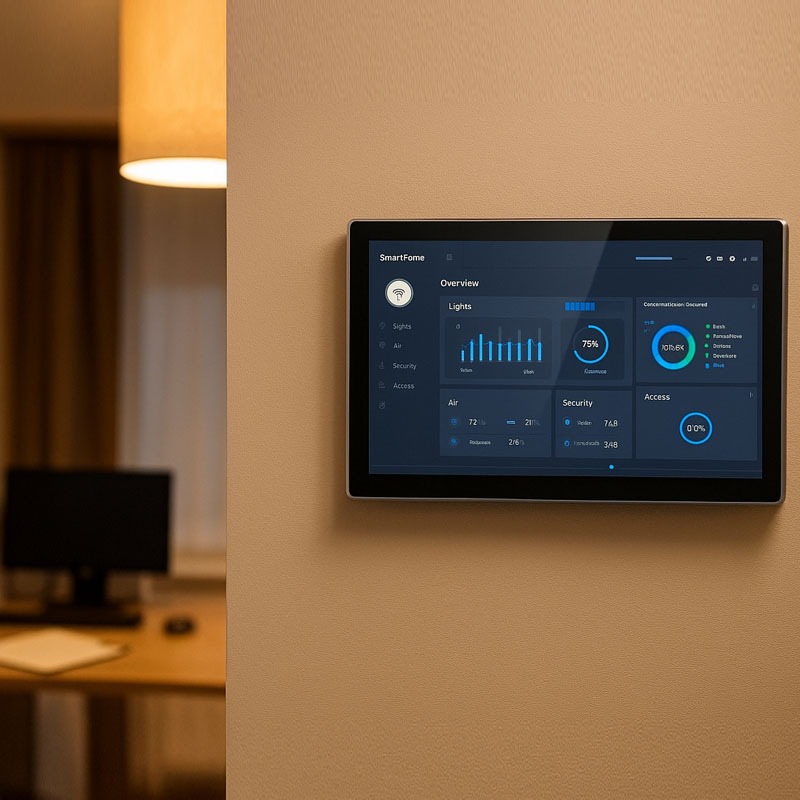
YC-SM08M 8″ PoE Smart Home Automation Touch Control Panel
How to Set Up Your Zigbee/Z-Wave Smart Control Panel Hub
Setting up a Zigbee/Z-Wave smart control panel hub typically involves the following steps:
- Choose Your Devices: Select the smart devices that you want to control, such as lighting, security cameras, thermostats, and sensors.
- Install the Hub: Connect the hub to your home network (usually via Ethernet or Wi-Fi) and mount it in a convenient location.
- Pair Devices: Use the hub’s interface to pair it with your Zigbee or Z-Wave devices. This typically involves putting your devices in pairing mode and selecting them in the hub’s setup menu.
- Customize Your Control Panel: Set up personalized dashboards, automation routines, and device groups to make controlling your devices more efficient.
A Zigbee/Z-Wave smart control panel hub is the perfect solution for anyone looking to simplify and optimize their smart home automation. By providing a centralized, easy-to-use platform for controlling a wide variety of devices, these hubs offer powerful features like energy efficiency, reliable connectivity, real-time control, and enhanced security. With Portworld’s customizable smart control panels, you can create the ultimate home automation experience, making your home smarter, more secure, and more efficient than ever.