How Do ODM Touch Screen Panels Compare to Other Types?
In today’s tech-driven world, touchscreen panels are essential components of various devices, from smartphones and tablets to interactive kiosks, industrial control systems, and smart home devices. When it comes to sourcing touchscreen solutions, companies often have two primary options: Off-the-Shelf (OTS) touch panels or ODM (Original Design Manufacturer) touch panels. Each has its pros and cons, but ODM panels offer unique advantages in customization, performance, and integration capabilities that set them apart from standard off-the-shelf alternatives.
In this article, we will explore the key differences between ODM touchscreen panels and other types, focusing on features, customization, cost-effectiveness, and other factors that influence decision-making for businesses and manufacturers.
1. Customization: The Key Advantage of ODM Touch Screen Panels
One of the most significant differentiators of ODM touchscreen panels is the customization they offer. With ODM panels, businesses can tailor the design, hardware, software, and even features to their exact specifications, creating a product that is perfectly aligned with their needs. This level of customization goes far beyond what is available with off-the-shelf options.
- Design Customization: ODM panels can be designed to meet specific aesthetic and functional requirements, including screen size, material choices, and appearance (e.g., color, shape, and branding).
- Hardware Customization: Companies can choose the processor, RAM, storage capacity, and even integrate additional features like camera modules, microphones, and sensors.
- Software Flexibility: ODM panels can run on a variety of operating systems, including Android, Linux, and Windows, and businesses can request customized UI/UX designs and specific SDK/BSP development for their applications.
In contrast, off-the-shelf (OTS) touchscreen panels are pre-designed and come with fixed specifications. While these panels may meet general needs, they offer limited customization and may not fully align with the unique demands of specific projects.
Home Automation Controllers
2. Integration Capabilities
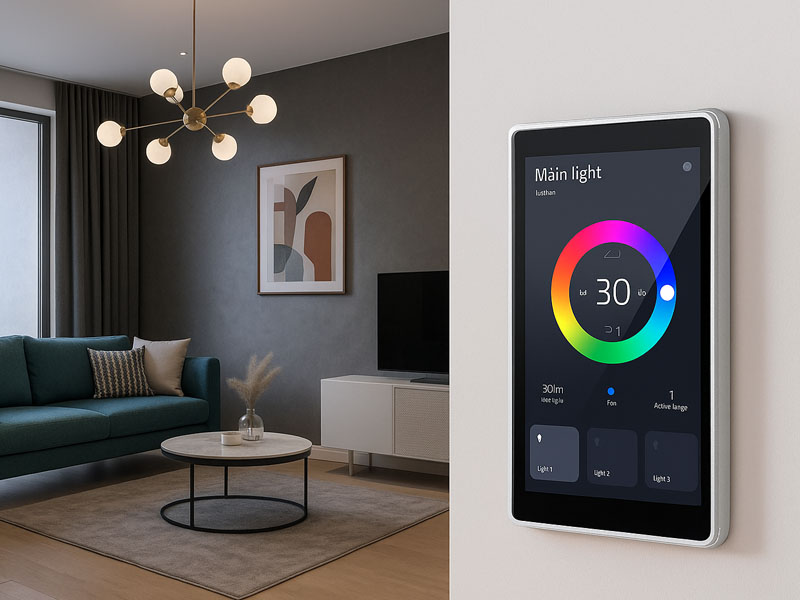
Another significant advantage of ODM touchscreen panels is their ability to integrate seamlessly with other systems. Customizable hardware and software mean that ODM panels can be integrated into complex IoT ecosystems, smart home devices, or industrial control systems. ODM panels support various communication protocols (such as Zigbee, KNX, RS485, Wi-Fi, Bluetooth, Ethernet, and PoE) for easy connectivity with other devices, sensors, and platforms.
- Smart Home Systems: Portworld’s ODM smart control panels integrate easily with other smart home devices like lighting, HVAC, security cameras, and smart locks.
- Industrial Applications: ODM panels can be adapted for use in industrial automation, offering robust features like RS232/485 communication, PoE, and compatibility with other automation systems.
Off-the-shelf panels, on the other hand, are often limited in terms of integration. They may not support a wide range of communication protocols or may require additional adapters to connect with other systems.
3. Performance and Quality Control
ODM panels are typically built to the specific needs of the client, which often means better performance and quality control compared to off-the-shelf options. Since the design and components are selected to meet a business’s exact specifications, the overall performance of ODM panels is generally more optimized for the application at hand.
- Higher-Quality Components: ODM manufacturers like Portworld select premium components that ensure high durability and reliability, especially in industrial or commercial environments where the panels need to withstand demanding conditions.
- Performance Optimization: With the ability to choose the processor, RAM, storage, and OS, businesses can ensure that their ODM panel is optimized for speed, efficiency, and user experience.
In comparison, OTS touchscreen panels may have less flexibility in terms of processor power, memory capacity, and performance tuning, leading to potential limitations when handling complex tasks or running multiple applications simultaneously.

digital signage display
4. Cost Considerations
While ODM panels offer high levels of customization and integration, they often come with a higher upfront cost compared to off-the-shelf panels. However, this initial investment can be worthwhile when businesses need a highly tailored solution, advanced functionality, or integration with other systems.
- ODM Cost: The cost of an ODM touchscreen panel depends on the level of customization, the volume of the order, and the complexity of the project. While the unit price may be higher, the long-term value is often greater due to the customized features, performance, and scalability.
- OTS Cost: Off-the-shelf touchscreen panels are typically less expensive, especially when purchased in bulk, but they lack the ability to fully align with specific project requirements. As a result, businesses may need to invest in additional hardware or software to bridge the gap, which could increase total costs.
5. Development Time
When selecting ODM touchscreen panels, companies must consider the development timeline. Custom designs and features may take longer to produce and finalize compared to off-the-shelf panels, which are already available in the market.
- ODM Development Time: Depending on the complexity of the design, Portworld’s ODM services can take several weeks to months to develop and manufacture custom touchscreen panels. However, this timeline ensures that the panel meets the precise needs of the project and integrates seamlessly into the intended ecosystem.
- OTS Development Time: Off-the-shelf panels are readily available, so businesses can deploy them much faster. However, these panels may require additional customization or configuration after purchase, which could delay full deployment.
6. Use Cases and Applications
ODM touchscreen panels are highly versatile and suitable for a wide range of applications. Here are some examples where ODM panels excel compared to off-the-shelf solutions:
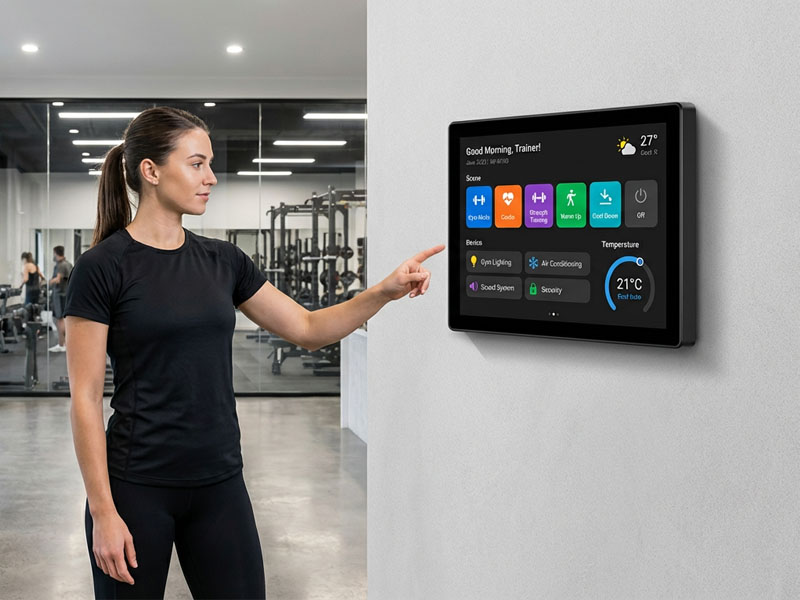
- Smart Homes and Buildings: Custom control panels that integrate with home automation systems for lighting, climate control, security, and more. Portworld’s smart home panels offer the flexibility to integrate with platforms like Amazon Alexa, Google Assistant, KNX, and Zigbee.
- Industrial Automation: ODM panels designed for rugged environments, capable of controlling machinery, monitoring production lines, and tracking system health.
- Healthcare: Customizable panels for patient monitoring, control of medical devices, and room automation in healthcare facilities.
- Retail and Kiosk Systems: Interactive kiosks and self-service stations that need specialized hardware, software, and design to match brand identity and functionality.
Off-the-shelf panels, while suitable for general applications, may not provide the same level of specialization or flexibility needed in these varied and often demanding use cases.
smart control panel
7. Aesthetics and Branding
For businesses that want to create a unique brand experience, ODM touchscreen panels offer extensive aesthetic customization. From panel design to color options and branding, ODM solutions allow companies to align their products with their brand identity.
-
Portworld’s ODM services allow for complete branding customization, including logo printing, UI/UX design, and packaging customization, helping businesses create a cohesive, branded experience for their users.
In contrast, off-the-shelf panels typically have a standard design, which may not align with a company’s brand aesthetics or desired user interface experience.
When choosing between ODM touchscreen panels and other types, businesses must weigh the costs, customization needs, and performance requirements of their projects. ODM panels offer unparalleled flexibility, integration capabilities, and customization, making them an ideal choice for businesses looking to create tailored solutions for smart homes, industrial automation, healthcare, retail, and more. On the other hand, off-the-shelf panels provide a quick, cost-effective solution for less complex applications but may lack the functionality, performance, and brand alignment needed for more advanced projects.