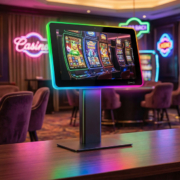
What is a Touch Screen Display?
A touch screen display is a type of electronic visual display that allows users to interact directly with what is displayed by using their fingers or a stylus. Unlike traditional displays, which require external devices like a mouse or keyboard for input, touch screens combine both input and output capabilities into a single interface, making them intuitive and versatile for a wide range of applications.
From smartphones and tablets to kiosks and industrial control panels, touch screen displays are widely used across various sectors due to their ease of use, responsiveness, and flexibility. As the world continues to embrace touch-based interactions, understanding the technology behind these displays becomes essential, especially in the context of smart devices, digital signage, and embedded systems.
How Does a Touch Screen Work?
Touch screen technology operates by detecting and responding to a touch or gesture on its surface. There are several types of touch screen technologies, including:
- Resistive Touchscreens: Consist of two flexible layers that connect when pressed. They are durable and can work with any pointing device, such as a stylus or finger, but are less sensitive and offer lower image quality.
- Capacitive Touchscreens: These use the conductivity of the human finger to change the electrical charge on the screen, allowing for highly responsive touch input. They offer better image quality, higher sensitivity, and can support multi-touch gestures, making them ideal for most modern touch devices.
- Infrared Touchscreens: Utilize infrared light beams to detect touch. These are often used in larger, multi-user environments like interactive kiosks.
- Surface Acoustic Wave (SAW): Uses ultrasonic waves and touch disturbances to detect input. These provide high clarity and are commonly used in high-end applications, including some public display systems.
Key Features of Touch Screen Displays
- User-Friendly Interface
Touch screen displays are known for their intuitive interfaces, enabling users to interact with devices directly via touch. This feature is especially useful in environments where simplicity and ease of use are critical, such as in retail, healthcare, and public spaces. - Multi-Touch Capabilities
Modern touch screen displays support multi-touch functionality, allowing users to perform gestures such as pinch-to-zoom, swipe, and rotate. This enhances user experience, especially in applications requiring interaction with maps, images, or digital content. - Versatility
Touch screens are highly adaptable. They are used in everything from smartphones, tablets, and ATMs to smart home control panels, industrial monitors, and digital signage displays. The versatility of touch screens allows for integration into almost any device or application requiring user interaction. - Durability and Reliability
Depending on the type of screen, touch displays can be built for specific use cases. For instance, resistive touch screens tend to be more durable and are suited for environments that require heavy use or where exposure to elements like dust or water is common. - Size and Form Factor Flexibility
Touch screens are available in a wide range of sizes—from small 4-inch panels for portable devices to large 65-inch screens used in public spaces. They can also be designed to be embedded into various systems, such as in control panels or kiosks.
Types of Touch Screen Displays and Their Applications
-
Smart Home Control Panels
Touch screen displays are a critical component of modern smart home control panels. Devices like Portworld’s YC-SM08P, YC-SM10P, and YC-SM55P feature high-quality touch screens that allow users to manage and monitor various smart devices—such as lights, thermostats, security cameras, and home appliances—directly from the panel.
- Portworld YC-SM08P: This 8-inch panel, with its high-resolution IPS touchscreen, offers users a smooth and responsive interface for controlling smart home functions like lighting, HVAC systems, and security systems.
- Portworld YC-SM10P: A larger 10-inch touchscreen panel designed for seamless home automation, offering intuitive controls and clear display for managing connected smart devices across the home or office.
- Portworld YC-SM55P: A sleek 5.5-inch touch panel that combines advanced control features in a compact design, perfect for managing systems like lighting, curtains, and security alarms.
Industrial Touch Screen Monitors
In industrial environments, rugged touch screen displays are essential for controlling and monitoring equipment. Portworld’s industrial touch screen monitors such as the YC-104EM and YC-1801B offer IP65 waterproofing and MIL-STD-810G certification, making them perfect for challenging environments like factories, warehouses, and outdoor sites.
- Portworld YC-104EM: A 10.4-inch embedded touch screen panel, ideal for industrial automation and control applications, offering a durable design and reliable performance for continuous 24/7 use.
- Portworld YC-1801B: This 8-inch rugged tablet is designed for tough field conditions, providing reliable touch control in environments subject to moisture, dust, and extreme temperatures.
Digital Signage Displays
Digital signage is another major application for touch screen technology. Interactive kiosks, advertising displays, and informational booths can all benefit from touch-enabled interfaces, allowing users to interact with content, search for information, or make selections.
Portworld’s digital signage solutions such as the YC-4320FL 43” outdoor digital signage kiosk and the YC-102P 10.1-inch all-in-one advertising display can be used in environments like shopping malls, airports, or hotels, offering clear visuals and interactive controls for customers.
Portworld YC-4320FL: A 43-inch outdoor digital signage solution, designed for continuous operation in high-traffic public areas, offering robust functionality and vibrant display quality.
Portworld YC-102P: A 10.1-inch all-in-one advertising display, ideal for retail, commercial, and hospitality environments, offering PoE support for easy installation.
Healthcare and Medical Devices
In the medical field, touch screens are often used in patient monitoring devices, diagnostic equipment, and hospital kiosks. Portworld’s customizable touch screen solutions can be integrated into medical systems to ensure accurate control and monitoring.
Portworld YC-SM Series: These panels can be customized to meet specific healthcare needs, offering clear displays and responsive touch functionality for managing patient data, adjusting settings, and ensuring seamless operation of medical devices.
Portworld’s Touch Screen Solutions: Tailored to Your Needs
Portworld offers a wide range of customizable touch screen displays to meet the demands of various industries, from smart homes and commercial applications to industrial control and medical devices. Whether you’re looking for a rugged touch screen for field use, a sleek panel for home automation, or an interactive digital signage display, Portworld has a solution that combines durability, performance, and innovation.
With support for OEM/ODM (Original Equipment Manufacturer/Original Design Manufacturer), Portworld provides comprehensive services, including custom hardware design, software integration, and brand customization, ensuring that every touch screen panel meets your exact specifications and requirements.